
The $6 Billion in Doha's Vaults: Qatar's Quiet Leverage in the US–Iran Deal
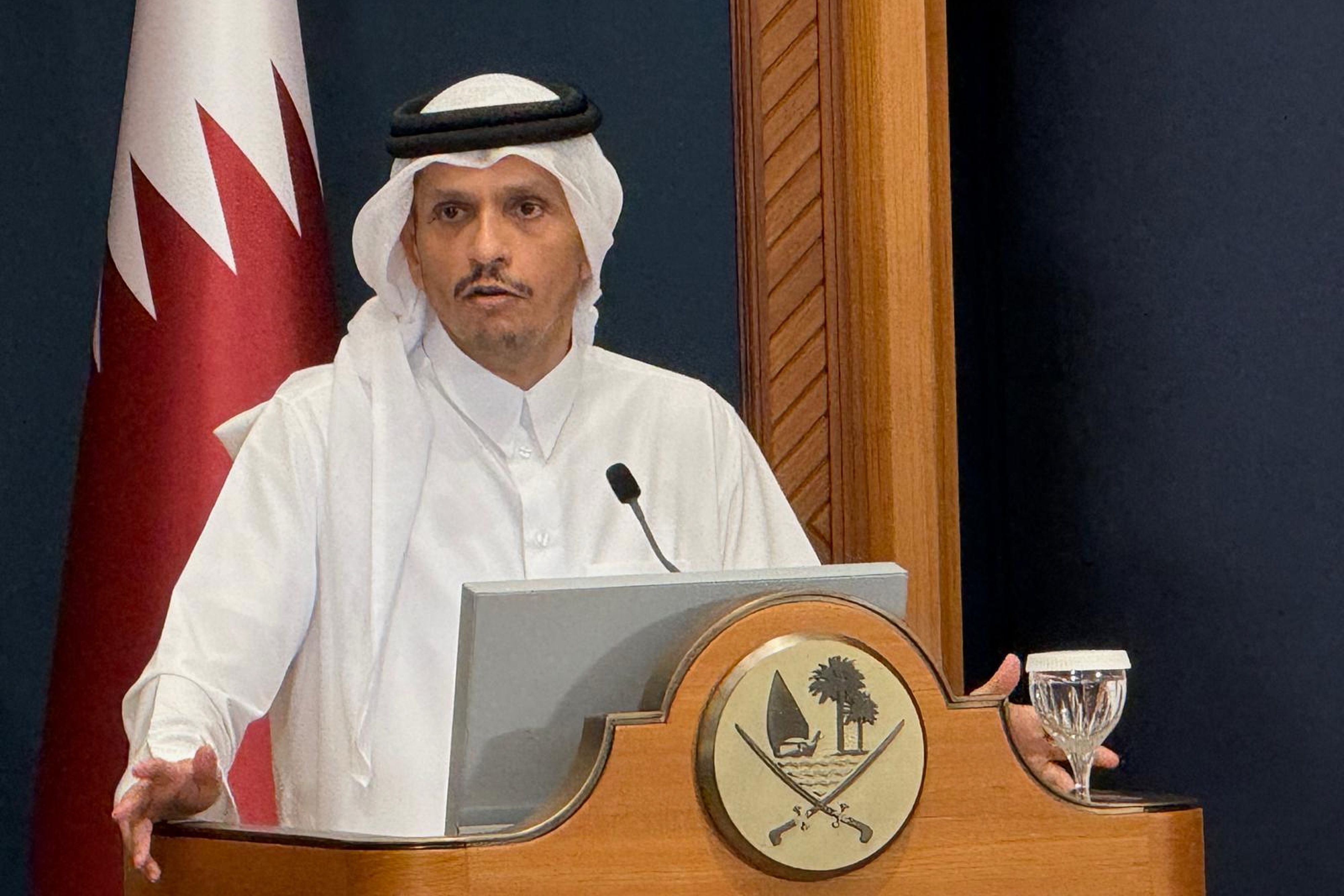
As Washington and Tehran move toward the most consequential agreement between them in a decade, the deal's fate may rest less on the grand figures being floated in Geneva and Switzerland than on roughly $6 billion sitting in Qatari banks.
The framework deal — signed digitally by both sides over the weekend, with a formal ceremony set for Friday in Switzerland — would end months of war and reopen the Strait of Hormuz to international shipping, easing a chokehold that has rattled global energy markets. Its headline incentive is a proposed $300 billion "Reconstruction and Development Fund" to rebuild Iran. But a senior US official was explicit that this is no gift: access would be conditional on Iran's performance, including demonstrating it has permanently abandoned any pursuit of nuclear weapons and refraining from anything that would trigger the reimposition of sanctions.
Crucially, that $300 billion is private money, not government money. Reuters reports that more than half the financing is already committed by companies from the United States, Asia, South America, Africa — and the Gulf states. US Vice President JD Vance told CBS that Gulf capitals would "help finance" the fund. It would become operational only after a final settlement reached within a 60-day window, and it is separate from the question that has Doha at its center: Iran's frozen assets.
That is where Qatar comes in. Since 2023, Qatar has held about $6 billion in Iranian oil revenues — funds moved from South Korea to Doha as part of a US-brokered prisoner swap that freed five detained Americans, then re-frozen after the regional escalation that followed October 7. Today, the phased unfreezing of those funds is described by negotiators as one of the final sticking points before any preliminary deal can be sealed.
Doha's position is one of careful gatekeeping. The funds, US and Qatari officials insist, would not be transferred directly to Tehran. They would be ring-fenced for humanitarian purchases — food and medicine — and released in tranches, with each disbursement contingent on Iran meeting benchmarks, including the reopening and de-mining of the Strait of Hormuz.
Iran, for its part, is pushing for far more. Its lead negotiator, Mohammad Bagher Ghalibaf, travelled to Doha to press for a $24 billion release — $12 billion immediately upon signing, and another $12 billion within 60 days — a figure that would draw on Iranian assets frozen well beyond Qatar, in a global pool estimated as high as $120 billion across China, Japan, South Korea and elsewhere.
Doha has pushed back firmly on suggestions it is buying a deal. Qatari Foreign Ministry spokesman Majed Al Ansari dismissed reports that the state had "offered" Iran $12 billion as "simply not true," saying such claims were "circulated by parties attempting to sabotage the deal." Iranian officials, in turn, insist the money is Iran's own and "not for others to propose."
It is a characteristically Qatari posture: holding the leverage without being seen to wield it. And it is worth being precise about the limits of that role. The lead mediator in the US-Iran talks has been Pakistan, whose prime minister has signalled a deal was imminent; the signing venue is Switzerland, not Doha. Even on the money, Qatar is not alone — the United Arab Emirates was reported to have quietly agreed to unlock $10-20 billion for Iran in exchange for a halt to attacks on its territory, a claim Abu Dhabi categorically denied.
What distinguishes Qatar is that its $6 billion is already in the room — concrete, located, and structurally embedded in the swap architecture both sides trust. That makes Doha less a broker of the headline bargain than the custodian of its most sensitive escrow — the party that must approve each release, and whose conditions on humanitarian use and Hormuz compliance give it de facto influence over the deal's pace.
Other contentious threads remain unresolved — Israeli media reports that any release could be tied to Iran surrendering its stockpile of highly enriched uranium, and President Trump faces resistance from within his own party, with senators including Ted Cruz and Lindsey Graham voicing objections. But as the framework heads to Switzerland, the quiet truth of the endgame is that a war involving hundreds of billions of dollars in incentives may hinge on six billion of them, sitting in Doha — and on the conditions Qatar attaches before letting them move.
النسخة العربية
الست مليارات دولار في خزائن الدوحة: الرهان الصامت للقatar في اتفاق الولايات المتحدة وإيران
الدوحة تُعدّ المكان الذي تُستضاف فيه مفاوضات بين الولايات المتحدة وإيران، والذي قد يُحدد مصير الاتفاق بينهما. يُعتبر المبلغ المالي البالغ 6 مليارات دولار، الذي يُexist في البنوك القطرية، أحد أهم العوامل التي تُحدد مصير هذا الاتفاق.
يُشكل الإطار المتفق عليه بين الطرفين، والذي يُعدّ الأكثر أهمية خلال العقد الماضي، نهاية لأشهر من الحرب وإعادة فتح مضيق هرمز للملاحة الدولية، مما يُسهل خناقًا قد أثر على الأسواق العالمية للطاقة. يُشير الاتفاق إلى إنشاء صندوق إعادة الإعمار والتنمية بقيمة 300 مليار دولار لتحديث إيران. ومع ذلك، يُشدد مسؤول أمريكي كبير على أن هذا المبلغ ليس هدية، وإنما يُعتمد على أداء إيران، بما في ذلك إثباتها التخلي النهائي عن سعيها لتطوير أسلحة نووية وتجنب أي شيء قد يؤدي إلى إعادة فرض العقوبات.
يُشكل المبلغ البالغ 300 مليار دولار أموالًا خاصة، وليس حكومية. وتُشير تقارير رويترز إلى أن أكثر من نصف التمويل قد تم التزام به من قبل الشركات من الولايات المتحدة وآسيا وأمريكا الجنوبية وأفريقيا - والخليج. وقال نائب الرئيس الأمريكي JD Vance لCBS إن عواصم الخليج سوف "تساعد في تمويل" الصندوق. وسوف يصبح هذا الصندوق فعالًا فقط بعد التوصل إلى تسوية نهائية خلال فترة زمنية تبلغ 60 يومًا، وهو منفصل عن السؤال الذي يُعدّ الدوحة في وسطه: الأصول المجمدة لإيران.
Source tweet
Qatar holds $6B in Iranian oil revenues, a key factor in US-Iran deal 🇶🇦
More Stories
 Economy
Qatar Investment Authority Leads $200 Million Series D for Gatik
 Economy
UAE Investors Deploy $53 Billion Across African Infrastructure Projects
 Gulf
GulfSaudi Arabia Dominates GCC Private Debt Market with $4.1 Billion Startup Financing Surge
 Africa
Africa's Startups Hit $705M in Q1 2026, Signaling Ecosystem Maturity
 Economy