

Pakistan Tells UN Security Council It Led US–Iran Mediation, Names Qatar Among Partners
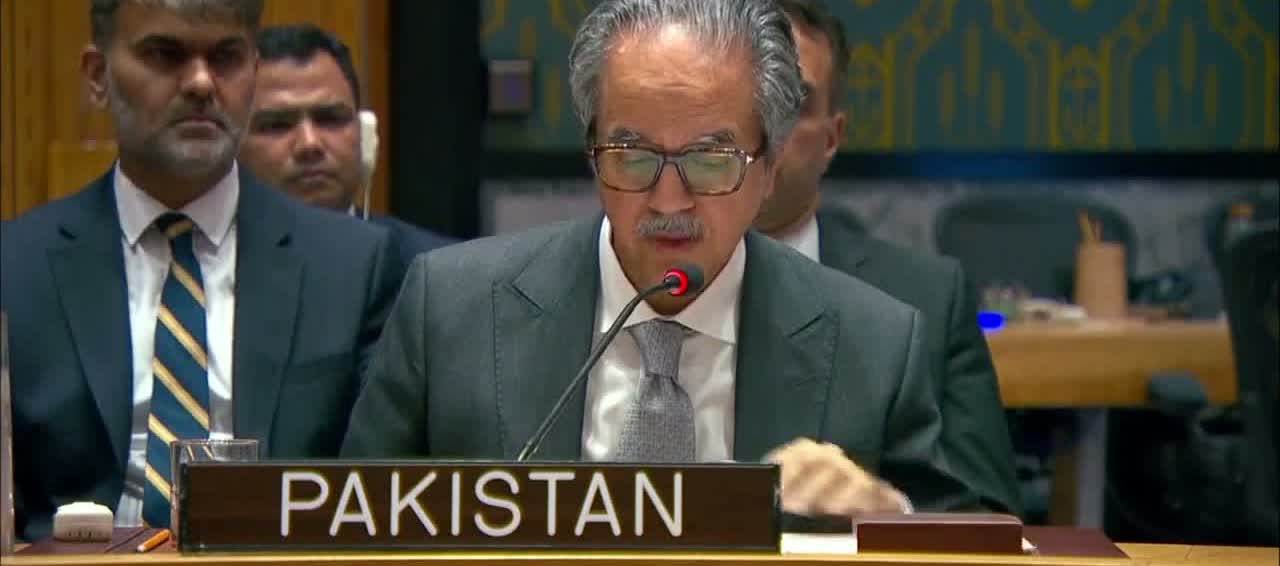
Pakistan used a UN Security Council session on Iran on 9 June to place itself at the centre of the most consequential diplomatic opening between Washington and Tehran in a generation — and to name Qatar among the partners that made it possible.
Addressing the Council during its briefing on the implementation of Resolution 2231, Pakistan's representative said Islamabad had “initiated diplomatic efforts to stop the war and to bring the parties to the table,” and credited “both parties for reposing their trust in Pakistan” by participating in what he called the Islamabad talks — “the highest level direct engagement between the United States and Iran for over four decades.”
Pakistan said it had worked “at the leadership level” with both Washington and Tehran, “as well as with other partners in the region and beyond — notably Saudi Arabia, Egypt and Turkey, Qatar and China.” The explicit mention of Qatar places Doha, once again, inside a great-power mediation track, consistent with its established role brokering between adversaries from Gaza to Afghanistan.
The Pakistani envoy framed the moment as fragile but salvageable. “The cycle of violence and instability must end,” he said, warning that the recent surge in violence was “a stark reminder of the dangers associated with the tenuous ceasefire.” He urged “all sides to exercise their strength and give peace a little more chance,” arguing that diplomacy “has bright prospects of success, something that the international community has pinned its hopes on.”
The session also exposed a sharper divide on the Council. Latvia took a hard line, insisting that reimposed UN sanctions on Iran are binding, accusing Tehran of enriching uranium to 60 per cent “beyond any peaceful purpose” and of attempts to block the Strait of Hormuz. Pakistan, Liberia, the Democratic Republic of the Congo and Colombia — which holds the Council presidency for June — instead pressed for restraint, warning that a procedural deadlock over Resolution 2231 and the 1737 sanctions committee risked paralysing the Council's oversight “precisely when oversight matters most.”
For Qatar, the takeaway is its quiet recurrence in the diplomacy: not the headline, but named on the floor of the Security Council as part of the architecture keeping a US–Iran channel open.
النسخة العربية
باكستان أمام مجلس الأمن: قُدنا الوساطة بين واشنطن وطهران ونُسمّي قطر بين الشركاء
وظّفت باكستان جلسةً لمجلس الأمن الدولي بشأن إيران عُقدت في التاسع من يونيو لتضع نفسها في قلب أهم انفراجة دبلوماسية بين واشنطن وطهران منذ عقود، ولتُسمّي قطر بين الشركاء الذين أتاحوا ذلك.
وقال ممثل باكستان أمام المجلس خلال إحاطته حول تنفيذ القرار 2231 إن إسلام آباد «بادرت بجهود دبلوماسية لوقف الحرب وجمع الأطراف إلى طاولة الحوار»، مثمّناً «ثقة الطرفين في باكستان» بمشاركتهما في ما سمّاه محادثات إسلام آباد — «أرفع تواصل مباشر بين الولايات المتحدة وإيران منذ أكثر من أربعة عقود».
وأوضح أن بلاده عملت «على مستوى القيادة» مع كلّ من واشنطن وطهران، «ومع شركاء آخرين في المنطقة وخارجها، وفي مقدمتهم السعودية ومصر وتركيا وقطر والصين». وتضع الإشارة الصريحة إلى قطر الدوحة مجدداً داخل مسار وساطة بين قوى كبرى، بما يتسق مع دورها الراسخ في التوسّط بين الخصوم من غزة إلى أفغانستان.
Source tweet
Pakistan Tells UN Security Council It Led US–Iran Mediation, Names Qatar Among Partners
More Stories
 Gulf
GulfTurkey, Pakistan, Saudi military chiefs meet in Riyadh over Houthi threats
 Politics
Houthis Threaten Strikes on Egypt, Turkey, Pakistan as Yemen Intervention Escalates
 Diplomacy
Turkish FM Fidan Leads Sixth Multilateral Meeting with Egypt, Pakistan, Saudi Arabia
 Africa
UN Chief Calls for Africa's Permanent Seat on Security Council at NYC Summit
 Politics