

DR Congo's Ebola outbreak becomes deadliest in history with 2,325 deaths
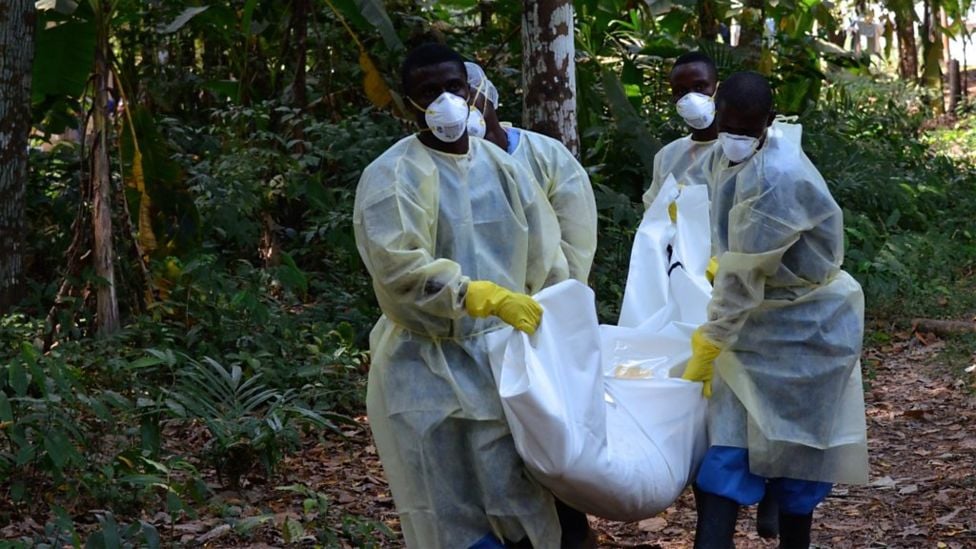
DR Congo's health ministry has confirmed that the country's ongoing Ebola outbreak is now the deadliest in its history, with 4,945 recorded cases and 2,325 deaths. The toll surpasses the 2018-2020 North Kivu epidemic, previously the country's worst, which killed more than 2,280 people over nearly two years before being declared over.
The current outbreak is driven by the Bundibugyo ebolavirus, a rarer strain first identified during a 2007 outbreak in Uganda. Unlike the more common Zaire ebolavirus, for which the Ervebo vaccine has been deployed in the DRC's previous outbreaks, Bundibugyo has no licensed vaccine. That gap forces health workers to rely on supportive care, strict isolation of patients and contact tracing rather than immunization to slow the virus's spread.
Response efforts have been complicated further by a severe shortage of clean water in affected communities. Containing Ebola, which spreads through contact with bodily fluids, depends heavily on rigorous hygiene measures, hand-washing stations and safe burial practices, all of which are harder to sustain where water access is limited.
DR Congo has recorded more Ebola outbreaks than any other country since the virus was first identified in 1976 near the Ebola River in what was then Zaire. Each new outbreak has tested the country's public health infrastructure, and the absence of an approved vaccine for the Bundibugyo strain now marks one of the most serious gaps exposed by this crisis, leaving international health bodies and researchers under pressure to accelerate vaccine development for the lesser-studied strain.
النسخة العربية
فيروس إيبولا في الكونغو الديمقراطية يسجل أعلى معدل وفيات في التاريخ
أعلنت وزارة الصحة في جمهورية الكونغو الديمقراطية أن تفشي فيروس إيبولا الحالي في البلاد بات الأفتك في تاريخها، برصيد 4945 حالة مسجلة و2325 حالة وفاة. وبهذا يتجاوز الحصيلة الوبائية التي سجلها تفشي كيفو الشمالية بين عامي 2018 و2020، والذي كان يُعد الأسوأ سابقاً بعد أن أودى بحياة أكثر من 2280 شخصاً على مدى نحو عامين قبل أن يُعلن انتهاؤه.
ويعود التفشي الحالي إلى سلالة فيروس بونديبوغيو، وهي سلالة نادرة نسبياً ظهرت لأول مرة خلال تفشٍ في أوغندا عام 2007. وخلافاً لسلالة زائير الأكثر شيوعاً، التي استُخدم ضدها لقاح إرفيبو في تفشيات سابقة بالكونغو الديمقراطية، لا يتوفر لسلالة بونديبوغيو أي لقاح معتمد حتى الآن. وهذه الفجوة تجبر الفرق الطبية على الاعتماد على الرعاية الداعمة والعزل الصارم للمصابين وتتبع المخالطين بدل التحصين لإبطاء انتشار الفيروس.
وتزداد جهود الاستجابة تعقيداً بفعل النقص الحاد في المياه النظيفة في المجتمعات المتضررة. ذلك أن احتواء فيروس إيبولا، الذي ينتقل عبر ملامسة سوائل الجسم، يعتمد بشكل كبير على تدابير نظافة صارمة ومحطات غسل الأيدي وممارسات دفن آمنة، وجميعها يصعب الحفاظ عليها في ظل محدودية الوصول إلى المياه.
Source tweet
DR Congo's Ebola outbreak has become the deadliest in the nation's history, with 4,945 cases and 2,325 deaths. The rare Bundibugyo virus strain lacks an approved vaccine, hampering response efforts amid severe water scarcity.
More Stories
 Africa
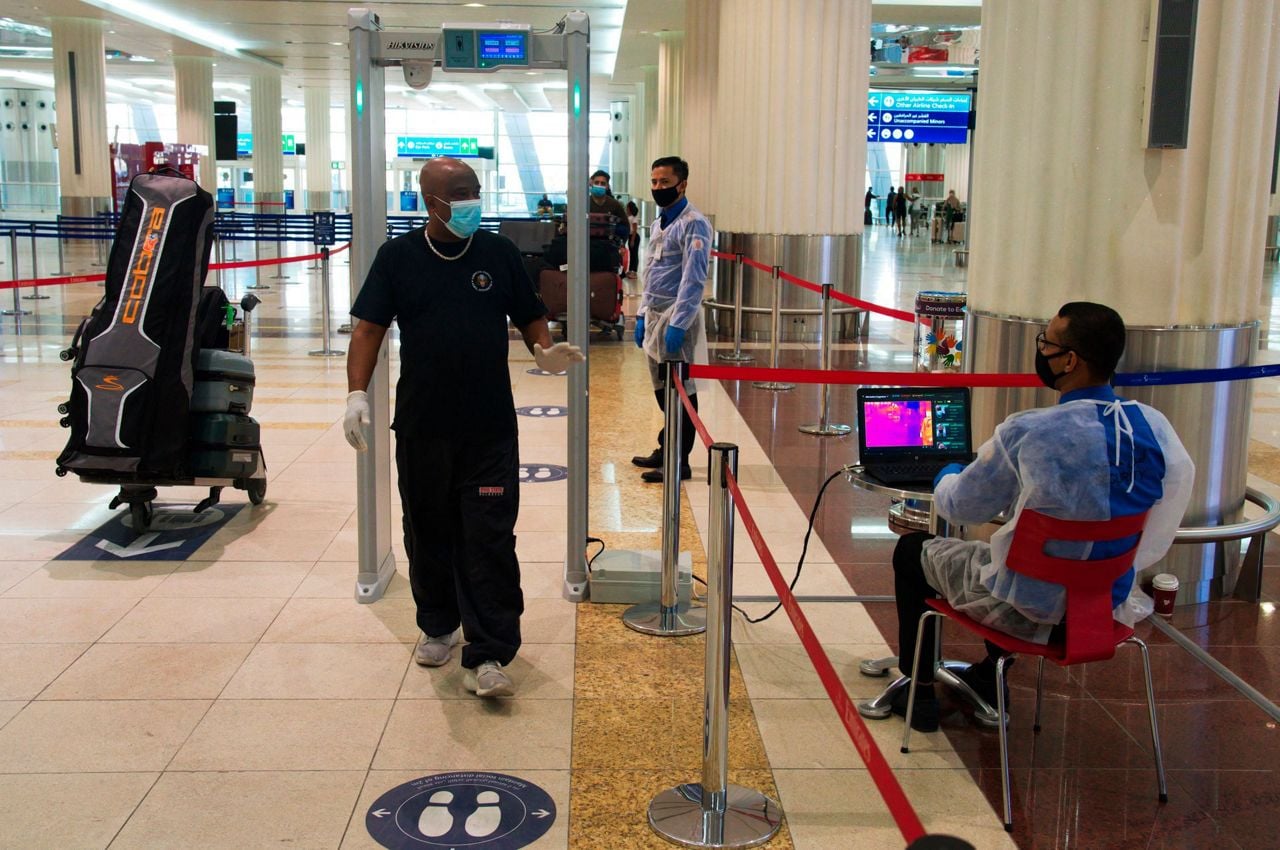
UAE Launches Ebola Protection Guidelines: 5 Steps for Safe International Travel
 press-freedom
2025: The Deadliest Year for Journalists in Recorded History — Israel Responsible for 66%
 Economy
Taiwan's Investment in China Drops to 3.7%, US Becomes Top Destination
 Gulf
GulfQatar Issues Rare Tornado Warnings Amid Severe Weather Outbreak Across Gulf
 Africa