

Ethiopia's conflict spreads beyond Tigray to neighboring regions
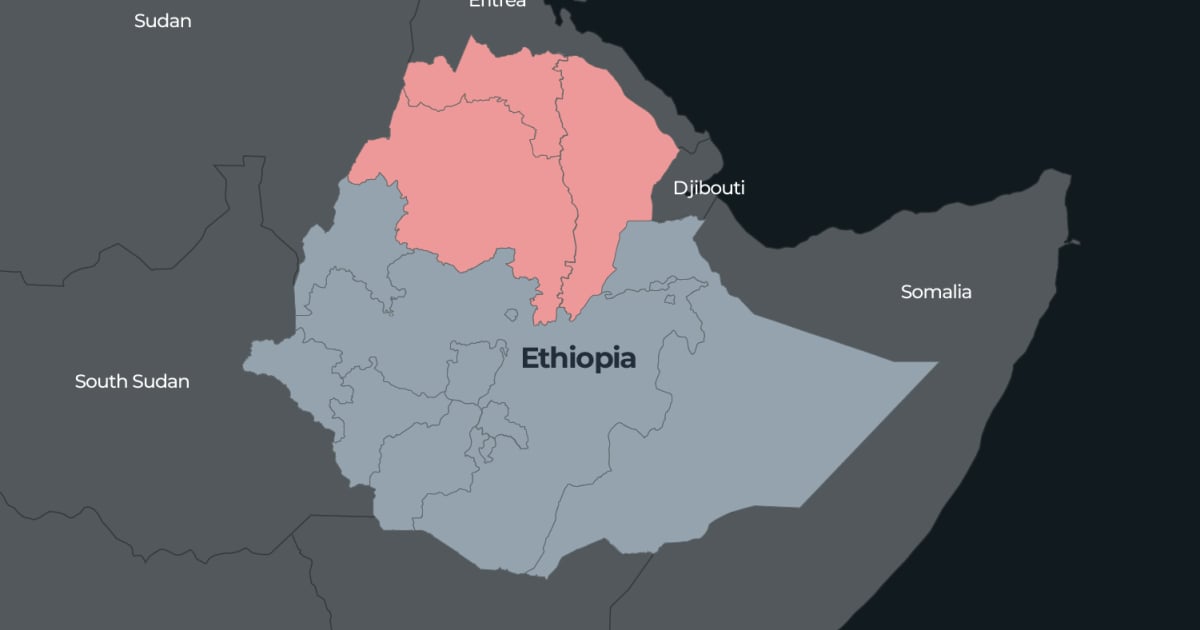
Ethiopia's armed conflict has spread well beyond the northern region of Tigray and now involves fighting in neighbouring regions, according to a new Al Jazeera analysis published on 2 October 2026 that traces the geographic escalation in maps and charts.
The war in Tigray began in November 2020, when federal forces and allied militias fought the Tigray People's Liberation Front. An African Union-brokered agreement signed in Pretoria on 2 November 2022 formally ended that war, which killed a very large number of people and displaced millions. Estimates of the death toll vary widely, and no single figure is agreed.
The Pretoria deal did not bring lasting calm to the country. Since 2023, Fano, an Amhara militia movement, has fought federal forces across the Amhara region, and the government declared a state of emergency there in August 2023. In Oromia, the Oromo Liberation Army has waged a long insurgency against the state. Tensions have also persisted inside Tigray, where the TPLF has split into rival factions and the interim administration has been contested. Relations between Addis Ababa and neighbouring Eritrea have also been strained, partly over Ethiopia's stated ambition to gain access to the Red Sea.
The expansion of fighting across several regions raises the risk for civilians, aid access and the fragile federal arrangement that holds Africa's second most populous country together.
The Horn of Africa matters to the Gulf. The Red Sea corridor carries shipping that Gulf states depend on, and Gulf governments have long invested in and mediated across the region. Qatar, for example, mediated the border dispute between Djibouti and Eritrea and deployed observers there until 2017. Qatar Airways also connects Doha with Addis Ababa. Instability in Ethiopia therefore has implications for regional security and trade well beyond its borders.
النسخة العربية
النزاع في إثيوبيا يتسع خارج تيجراي إلى مناطق مجاورة
اتسع نطاق النزاع المسلح في إثيوبيا ليتجاوز إقليم تيجراي في الشمال، وبات القتال يشمل مناطق مجاورة، بحسب تحليل جديد نشرته الجزيرة في الثاني من أكتوبر 2026، يرصد التصعيد الجغرافي بالخرائط والرسوم البيانية.
بدأت الحرب في تيجراي في نوفمبر 2020 حين اشتبكت القوات الاتحادية والميليشيات المتحالفة معها مع الجبهة الشعبية لتحرير تيجراي. وأنهى اتفاق برعاية الاتحاد الأفريقي وُقّع في بريتوريا في الثاني من نوفمبر 2022 تلك الحرب رسمياً، بعدما أودت بحياة أعداد كبيرة وشرّدت ملايين، وتتباين التقديرات بشأن حصيلة القتلى ولا يوجد رقم متفق عليه.
لكن اتفاق بريتوريا لم يحقق هدوءاً دائماً في البلاد. فمنذ عام 2023 تقاتل حركة «فانو»، وهي ميليشيا من قومية الأمهرة، القوات الاتحادية في إقليم أمهرة، وأعلنت الحكومة حالة الطوارئ هناك في أغسطس 2023. وفي أوروميا يخوض «جيش تحرير أورومو» تمرداً طويلاً ضد الدولة. كما استمرت التوترات داخل تيجراي نفسها، حيث انقسمت الجبهة الشعبية إلى أجنحة متنافسة وبقيت الإدارة المؤقتة موضع خلاف. وظلت العلاقات بين أديس أبابا وإريتريا المجاورة متوترة، ويعود ذلك جزئياً إلى تطلع إثيوبيا المعلن إلى منفذ على البحر الأحمر.
Source tweet
Ethiopia's internal conflict expands beyond Tigray, with fighting now spreading to neighboring regions. Maps and charts trace the geographic escalation of the armed conflict.
More Stories
 Africa
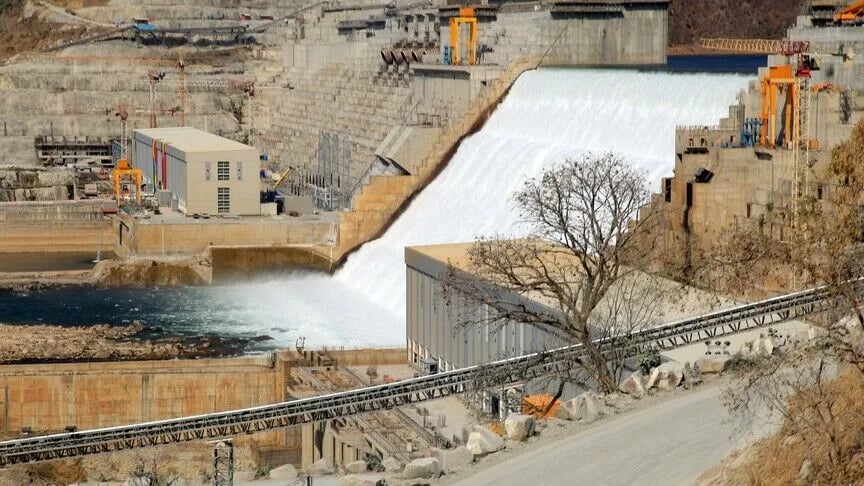
Egypt Rejects Ethiopia's Plan for Additional Nile Dams, Vows to Defend Water Rights
 Iran
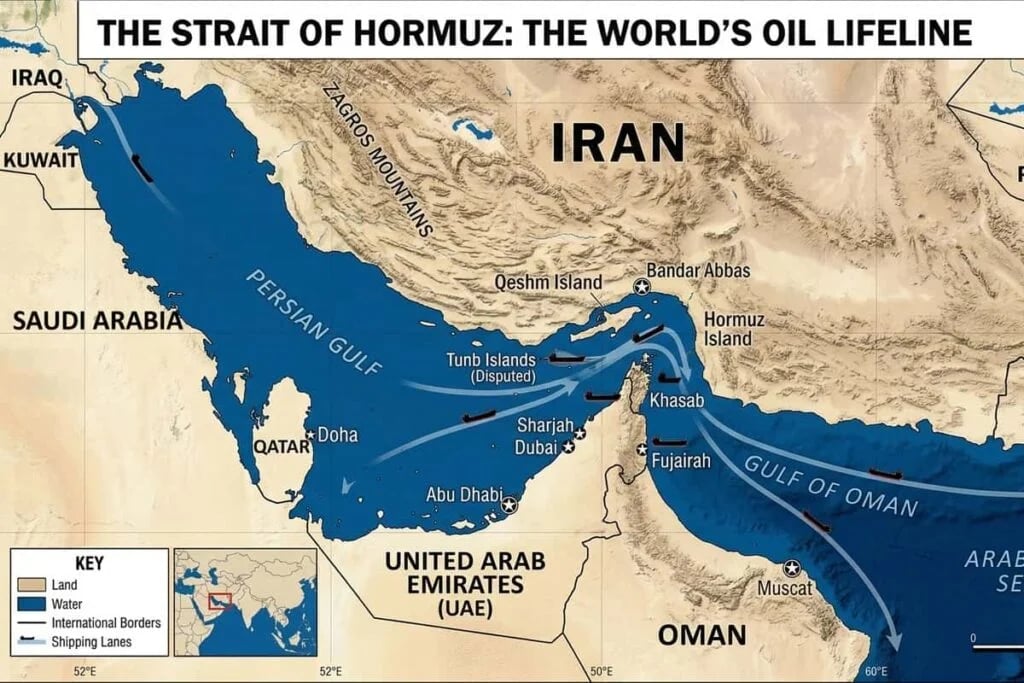
IranGulf oil producers explore Strait of Hormuz alternatives as US-Iran conflict escalates
 Africa
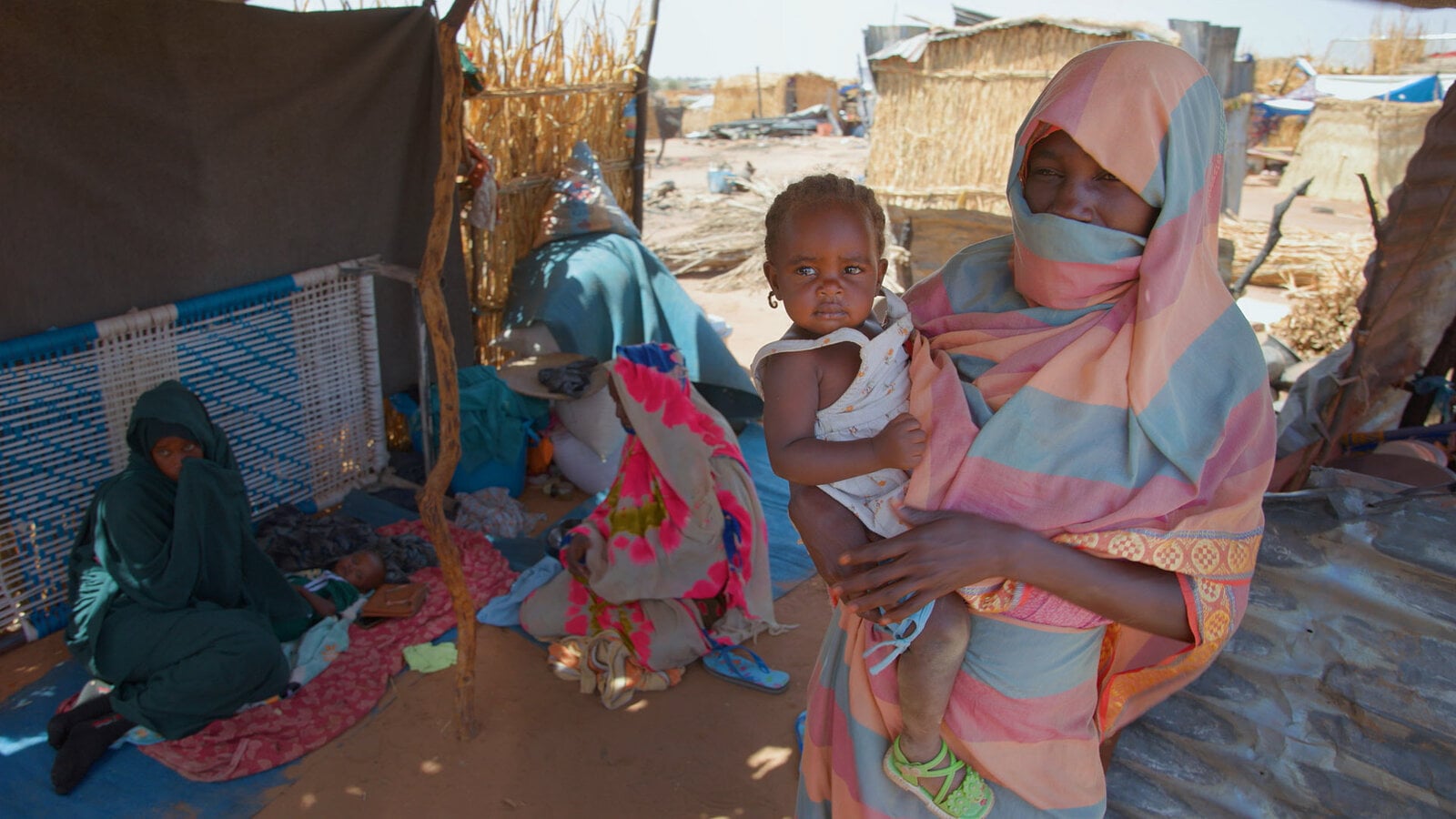
WFP-FAO Report: Yemen, Palestine, Sudan Face Deepening Hunger Crisis from Conflict
 Diplomacy
Syria rejects US pressure to intervene militarily in Lebanon conflict
 Iran
Iran