

Iran's Revolutionary Guard has effectively halted oil tanker traffic through the Strait of Hormuz, denying passage to
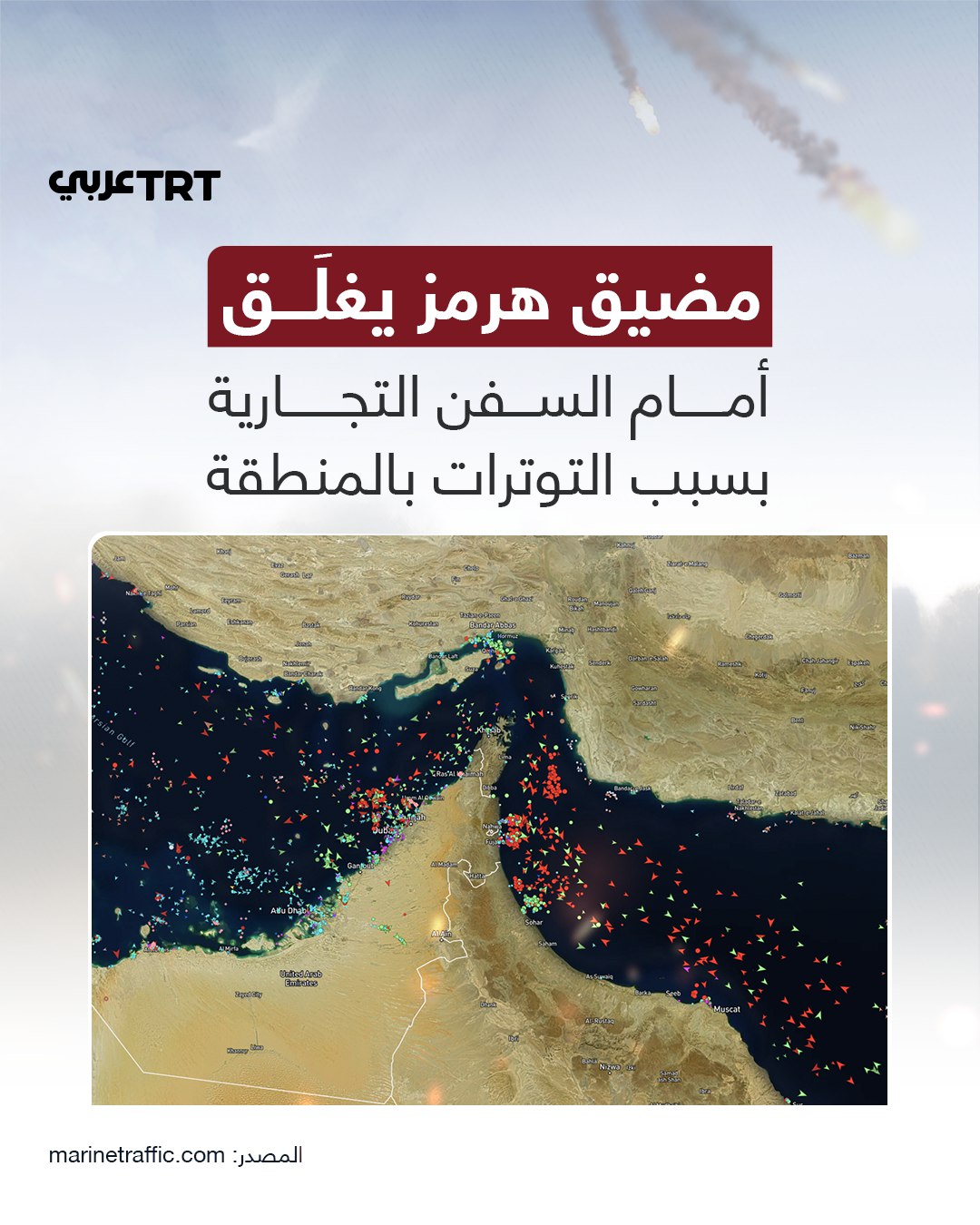
Iran's Revolutionary Guard has effectively halted oil tanker traffic through the Strait of Hormuz, denying passage to any ship, in a move that is set to have significant implications for global energy markets and shipping lanes. The Strait of Hormuz is a critical waterway that connects the Persian Gulf to the Gulf of Oman and the Arabian Sea, with approximately 20% of the world's oil passing through it, making it a vital artery for international trade. The significance of this development cannot be overstated, as any disruption to oil supplies through the Strait has the potential to impact global energy prices and have far-reaching consequences for economies around the world. The Strait is just 21 miles wide at its narrowest point, making it a highly congested and sensitive area, with any military or naval activity in the region having the potential to escalate tensions.
According to reports from the region, the Iranian Revolutionary Guard has been patrolling the Strait, stopping and inspecting oil tankers, and in some cases, denying them passage. This move is seen as a major escalation of tensions in the region, and has already led to concerns about the potential for conflict. The US and its allies have long been concerned about Iran's military activities in the region, and have accused Tehran of attempting to disrupt international shipping lanes. The latest developments are likely to further heighten these concerns, and may lead to increased military presence in the region. Figures from the US Energy Information Administration show that approximately 17.2 million barrels of oil per day passed through the Strait in 2020, highlighting the critical importance of this waterway to global energy supplies.
The halt in oil tanker traffic is likely to have significant implications for countries in the region, including Qatar, which relies heavily on the export of oil and gas to fuel its economy. Qatar has long been a major player in the global energy market, and any disruption to oil supplies through the Strait of Hormuz is likely to have a major impact on its economy. The Qatari government has been working to diversify its economy in recent years, but oil and gas exports remain a critical component of the country's revenue streams. With the global economy already facing significant headwinds, the latest developments in the Strait of Hormuz are likely to add to concerns about the outlook for global trade and economic growth.
As tensions in the region continue to escalate, the international community will be watching developments in the Strait of Hormuz with great interest. The US and its allies have long been committed to maintaining the free flow of oil through the Strait, and are likely to take a strong stance against any attempts by Iran to disrupt international shipping lanes. For Qatar and other countries in the region, the latest developments are a stark reminder of the importance of maintaining good relations with neighboring countries, and of the need for a peaceful resolution to the region's many conflicts. As the situation continues to unfold, one thing is clear: the fate of global energy markets, and the stability of the region, hang in the balance.
النسخة العربية
توقف حركة السفن عبر مضيق هرمز بعد تحذيرات من الحرس الثوري الإيراني
تسببت تحذيرات الحرس الثوري الإيراني في توقف حركة السفن عبر مضيق هرمز، مما أثار مخاوف بشأن تأثير ذلك على سوق النفط العالمية. هذا التطور يأتي في سياق التوترات المتزايدة بين إيران والدول الغربية، وخاصة بعد التوترات حول البرنامج النووي الإيراني.
مضيق هرمز هو ممر مائي حاسم يربط الخليج العربي بالبحر العربي، ويمر عبره حوالي 20% من إجمالي صادرات النفط في العالم. أي إعاقة لحركة السفن عبر هذا المضيق يمكن أن تؤدي إلى زيادة أسعار النفط وتأثيراتها على الاقتصادات العالمية. الحرس الثوري الإيراني، الذي يُعتبر أحد أهم الفروع العسكرية في إيران، قد أعلن عن سيطرته على المضيق، مما يمنع السفن من المرور دون إذن منه.
وفقًا لمصادر إخبارية، فإن السفن النفطية قد توقفت عن المرور عبر المضيق بعد تحذيرات الحرس الثوري الإيراني. هذا التوقف يؤثر على صادرات النفط من دول الخليج العربي، بما في ذلك السعودية والإمارات والكويت. كما أن هناك مخاوف من أن تؤدي هذه الخطوة إلى زيادة التوترات في المنطقة، وربما تؤدي إلى تدخل دولي لضمان حرية الملاحة في المضيق.
Source tweet
Iran's Revolutionary Guard has effectively halted oil tanker traffic through the Strait of Hormuz, denying passage to any ship.
More Stories
 Iran
IranTrump Claims US-Israel Strikes Destroyed Iran's Military Capability
 BREAKING
Israeli Forces Arrest Al-Aqsa Guards in East Jerusalem Raids
 Iran
IranIran's Revolutionary Guard States National Policy Focuses on Collective Security
 Iran
IranIranian Revolutionary Guard: Regional Water Policy Focuses on Collective Security and Territorial Integrity
 Gulf
Gulf