

Iran's Revolutionary Guards halt ship traffic through Strait of Hormuz, major oil route
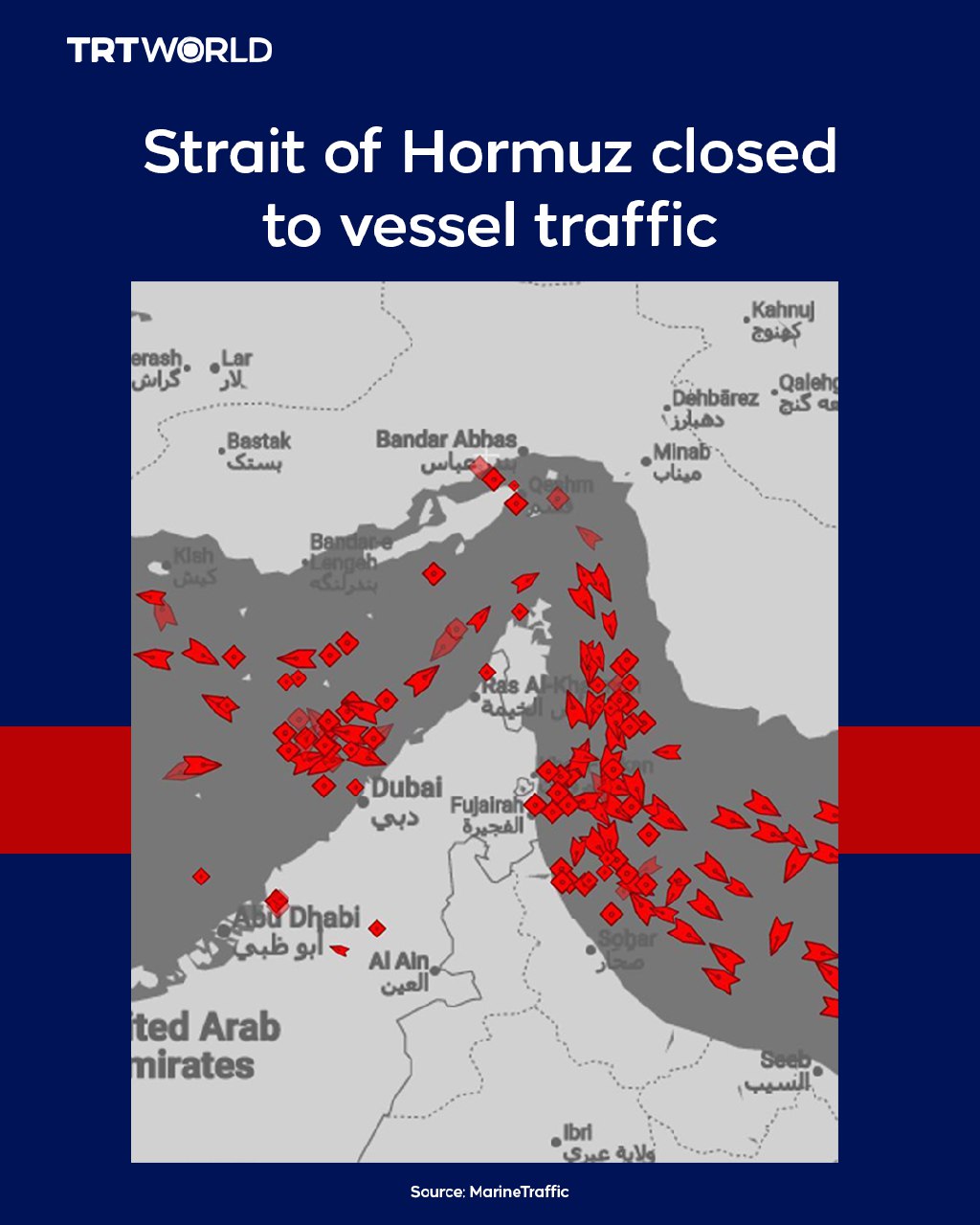
Iran's Revolutionary Guards have halted ship traffic through the Strait of Hormuz, a major oil route that connects the Persian Gulf to the Gulf of Oman, in a move that could potentially disrupt global oil supplies and escalate tensions in the region. The Strait of Hormuz is a critical waterway through which a significant portion of the world's oil passes, with approximately 20% of the world's total oil supply transported through this narrow passage every day. The strait's strategic importance cannot be overstated, as it connects the oil-rich countries of the Persian Gulf, including Saudi Arabia, Iraq, and the United Arab Emirates, to global markets. Any disruption to shipping traffic through the strait could have far-reaching consequences for the global economy, particularly for countries that rely heavily on oil imports. The significance of this development lies in its potential to exacerbate existing tensions between Iran and its regional and global adversaries, including the United States, which has been seeking to curb Iran's nuclear ambitions and limit its influence in the region.
The Iranian Revolutionary Guards have stopped all ship traffic through the strait, citing unspecified security concerns. The exact duration of the halt is unclear, but the move has already sparked concerns among oil traders and shipping companies, who are bracing for potential disruptions to their operations. The strait is approximately 21 miles wide at its narrowest point, making it a vulnerable chokepoint for oil tankers and other ships. In 2019, Iran seized a British-flagged oil tanker in the strait, sparking a diplomatic crisis between Tehran and London. The latest move by the Revolutionary Guards has raised fears of a similar incident, with potentially more severe consequences for global oil markets.
The halt in ship traffic through the Strait of Hormuz is reported to have affected at least 15 ships, including oil tankers and cargo vessels, which are now anchored in the vicinity of the strait, awaiting further instructions from Iranian authorities. The incident has also sparked a response from the United States, which has warned Iran against any actions that could disrupt the free flow of oil through the strait. The US Navy's Fifth Fleet, which is based in Bahrain, has stated that it is monitoring the situation closely and is prepared to take all necessary measures to ensure the safe passage of ships through the strait.
From a regional perspective, the halt in ship traffic through the Strait of Hormuz is a cause for concern, as it could potentially disrupt the region's oil exports and undermine the stability of global energy markets. Qatar, which is a significant oil and gas producer, relies heavily on the strait to export its energy products to global markets. Any prolonged disruption to shipping traffic through the strait could have severe consequences for Qatar's economy, as well as the economies of other Gulf countries that rely on oil exports. As such, Qatar and its Gulf allies will be closely monitoring the situation, seeking to mitigate any potential risks to their economic and energy security interests.
النسخة العربية
توقف حركة الشحن عبر مضيق هرمز بعد تحذيرات إيرانية بشأن عدم السماح لأي سفينة بالمرور، ما يؤثر على صادرات النفط والغاز الط
تسببت حادثة توقف حركة الشحن عبر مضيق هرمز في توقف حركة السفن عبر أحد أهم مسارات النفط في العالم، حيث يمر عبره أكثر من 20% من إجمالي صادرات النفط في العالم، بعد أن أوقفت حرس الثورة الإسلامية الإيرانية حركة السفن عبر المضيق، مما يؤثر على صادرات النفط والغاز الطبيعي من السعودية وإيران والعراق والإمارات إلى العالم.
تعد هذه الحادثة جزءًا من التوترات المتزايدة في المنطقة، حيث تعتبر مضيق هرمز ممرًا حيوياً للنفط والغاز الطبيعي، وتتأثر به صادرات العديد من الدول المنتجة للنفط في المنطقة، بما في ذلك السعودية وإيران والعراق والإمارات. وقد أثار هذا التطور قلقًا بين الدول المستوردة للنفط، حيث قد يؤدي توقف حركة الشحن عبر المضيق إلى زيادة أسعار النفط في السوق العالمية.
وفقًا لمصادر إيرانية، فإن حرس الثورة الإسلامية أوقفت حركة السفن عبر مضيق هرمز بعد أن أعلنت عن عدم السماح لأي سفينة بالمرور عبر المضيق، وقد أُبلغت السفن التي كانت على وشك المرور عبر المضيق بضرورة تغيير مسارها. ويعتبر هذا الإجراء جزءًا من التحركات الإيرانية لتحقيق أهدافها السياسية والاقتصادية في المنطقة.
Source tweet
Iran's Revolutionary Guards halt ship traffic through Strait of Hormuz, major oil route.
More Stories
 Iran
IranTrump Claims US-Israel Strikes Destroyed Iran's Military Capability
 BREAKING
Lufthansa Group Extends Suspension of Tel Aviv Flights Through June
 BREAKING
Israeli Forces Arrest Al-Aqsa Guards in East Jerusalem Raids
 Iran
IranIran's Revolutionary Guard States National Policy Focuses on Collective Security
 Iran
Iran