

Iraq Moves to Contain Fallout After Iran-Backed Militias Accused of Saudi Pipeline Attack
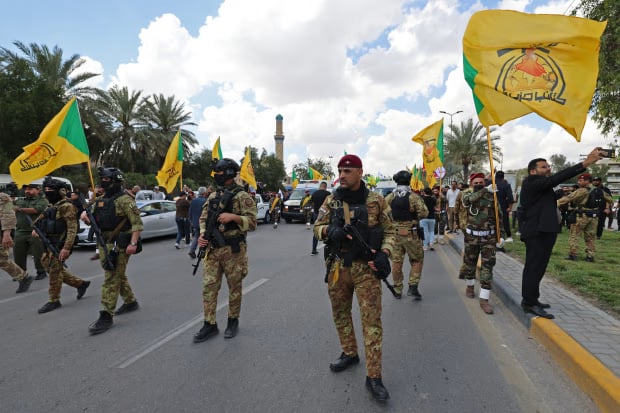
Iraqi authorities are working to contain the diplomatic fallout after Iran-backed militias were accused of attacking a Saudi oil pipeline, an incident that has stoked fresh tension across a region already on edge over energy security. Baghdad's government, which has spent years trying to balance its alliance with Tehran-aligned armed factions against its need for stable ties with Gulf neighbors and Washington, moved quickly to distance the state from the attack and signal that it does not condone strikes on regional infrastructure. Iran-backed militias operating in Iraq, many nominally under the umbrella of state security structures, have a history of acting with a degree of independence from Baghdad's central command, complicating the government's ability to police their actions or credibly assure neighbors the state is in full control. Attacks on oil infrastructure carry outsized weight in the Gulf, where pipelines, export terminals, and refineries underpin the energy revenues that finance national budgets across Saudi Arabia, Qatar, and the wider GCC. Any escalation that threatens the free flow of crude risks rattling global oil markets and undermining years of quiet diplomacy aimed at lowering the temperature between Riyadh and Tehran, a rapprochement Baghdad itself helped broker through earlier rounds of talks hosted in Iraq. Qatar and other Gulf states, which rely on regional stability to protect their own energy exports and shipping lanes, have consistently pushed for de-escalation and dialogue over retaliation whenever such incidents occur. Iraqi officials are expected to press militia-linked factions to avoid further provocations while reassuring Riyadh that Baghdad remains committed to preventing its territory from being used to launch attacks on neighboring states, a message aimed at protecting Iraq's fragile position between rival regional powers.
النسخة العربية
العراق يعالج تداعيات هجوم ينسب إلى ميليشيات مدعومة من إيران على خط نفط سعودي
يعمل المسؤولون العراقيون على احتواء التداعيات الدبلوماسية بعد اتهام ميليشيات مدعومة من إيران بمهاجمة خط أنابيب نفط سعودي، في حادثة أججت توتراً جديداً في منطقة متوترة أصلاً بشأن أمن الطاقة. وقد سارعت حكومة بغداد، التي أمضت سنوات في محاولة الموازنة بين تحالفها مع فصائل مسلحة موالية لطهران وحاجتها إلى علاقات مستقرة مع جيرانها الخليجيين وواشنطن، إلى النأي بالدولة عن الهجوم والإشارة إلى أنها لا تتغاضى عن استهداف البنية التحتية الإقليمية. وتملك الميليشيات المدعومة من إيران العاملة في العراق، وكثير منها يتبع اسمياً مظلة الأجهزة الأمنية الرسمية، تاريخاً من التصرف بقدر من الاستقلالية عن القيادة المركزية في بغداد، ما يعقّد قدرة الحكومة على ضبط تحركاتها أو طمأنة الجيران بأن الدولة تسيطر عليها بالكامل. وتحمل الهجمات على البنية التحتية النفطية وزناً استثنائياً في الخليج، حيث تشكل خطوط الأنابيب ومحطات التصدير والمصافي العمود الفقري لعائدات الطاقة التي تمول الموازنات الوطنية في السعودية وقطر ودول مجلس التعاون الخليجي الأخرى. وأي تصعيد يهدد التدفق الحر للنفط الخام يحمل مخاطر زعزعة أسواق النفط العالمية وتقويض سنوات من الدبلوماسية الهادئة الرامية إلى خفض التوتر بين الرياض وطهران، وهو تقارب ساهم العراق نفسه في التوسط له عبر جولات محادثات سابقة استضافتها بغداد. وتدفع قطر ودول خليجية أخرى، التي تعتمد على الاستقرار الإقليمي لحماية صادراتها من الطاقة وممراتها الملاحية، باستمرار نحو التهدئة والحوار بدل الرد بالمثل كلما وقعت حوادث من هذا النوع. ومن المتوقع أن يضغط المسؤولون العراقيون على الفصائل المرتبطة بالميليشيات لتجنب أي استفزازات إضافية، مع طمأنة الرياض بأن بغداد ما زالت ملتزمة بمنع استخدام أراضيها لشن هجمات على دول الجوار، في رسالة تهدف إلى حماية موقع العراق الهش بين قوى إقليمية متنافسة.
Source tweet
Iraq seeks to contain diplomatic fallout after Iran-backed militias were accused of attacking a Saudi oil pipeline. Baghdad aims to prevent escalation amid heightened regional tensions over energy infrastructure.
More Stories
 General
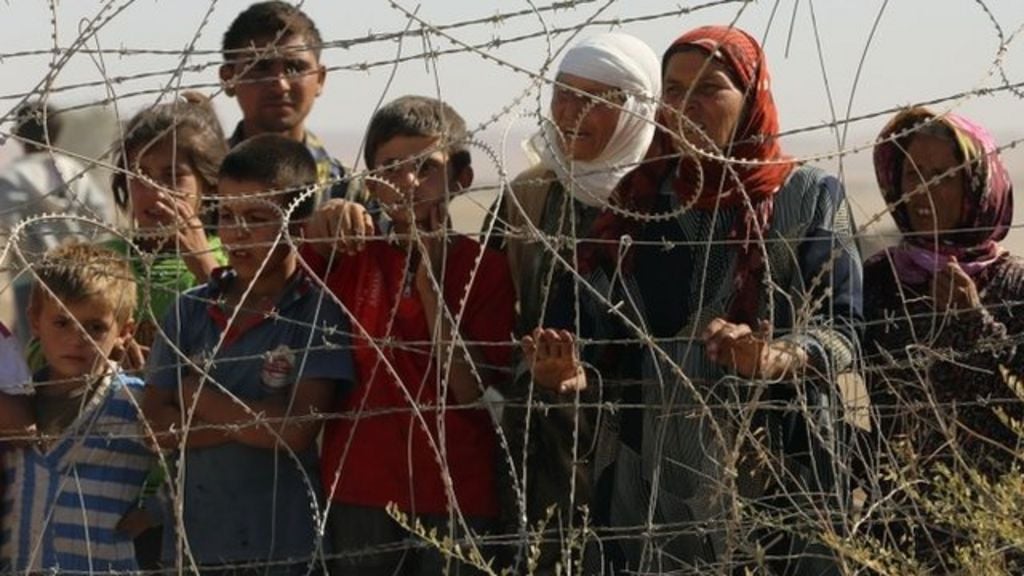
Kurdish Asylum Family in Turkey Faces Iran Deportation After Second Rejection
 Gulf
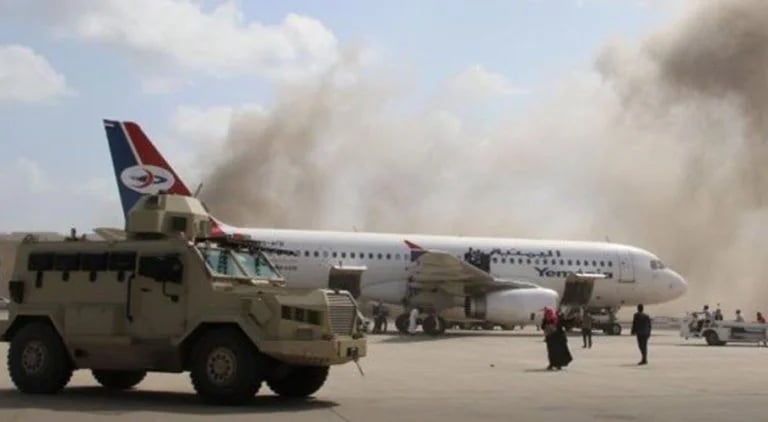
GulfHouthis warn airlines to avoid Saudi airports after Riyadh airport attack
 Politics
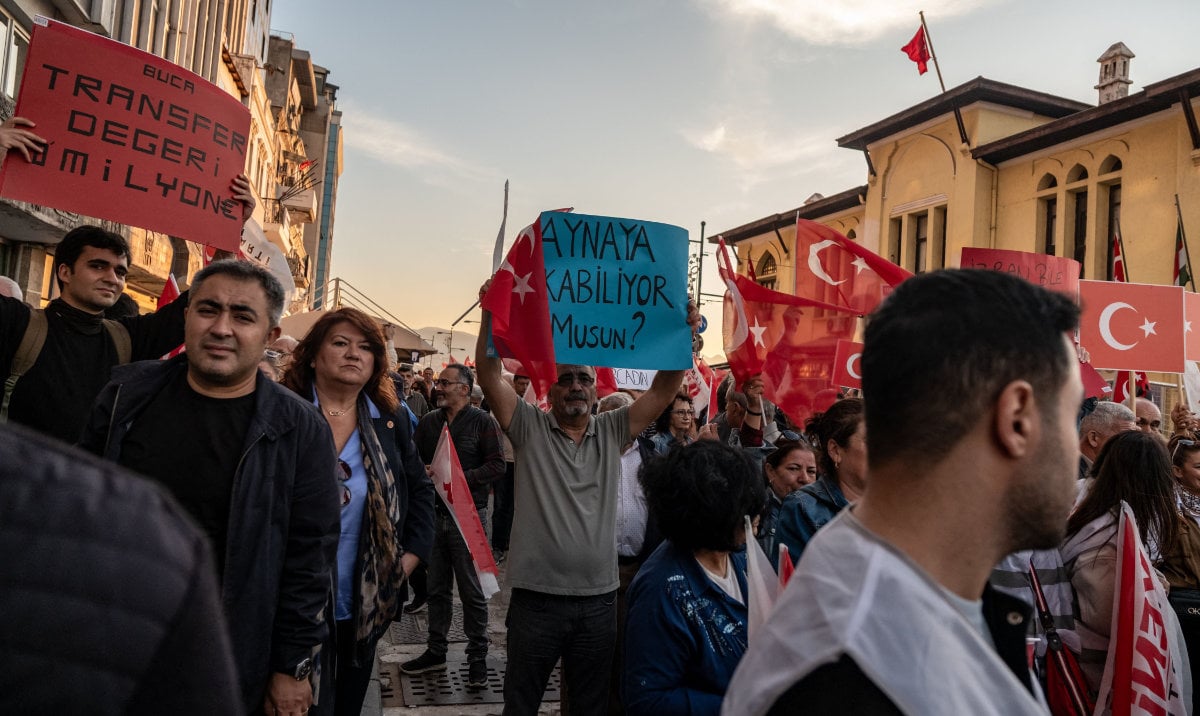
Protests in a major Turkish city after mayor defects to Erdogan's party
 BREAKING
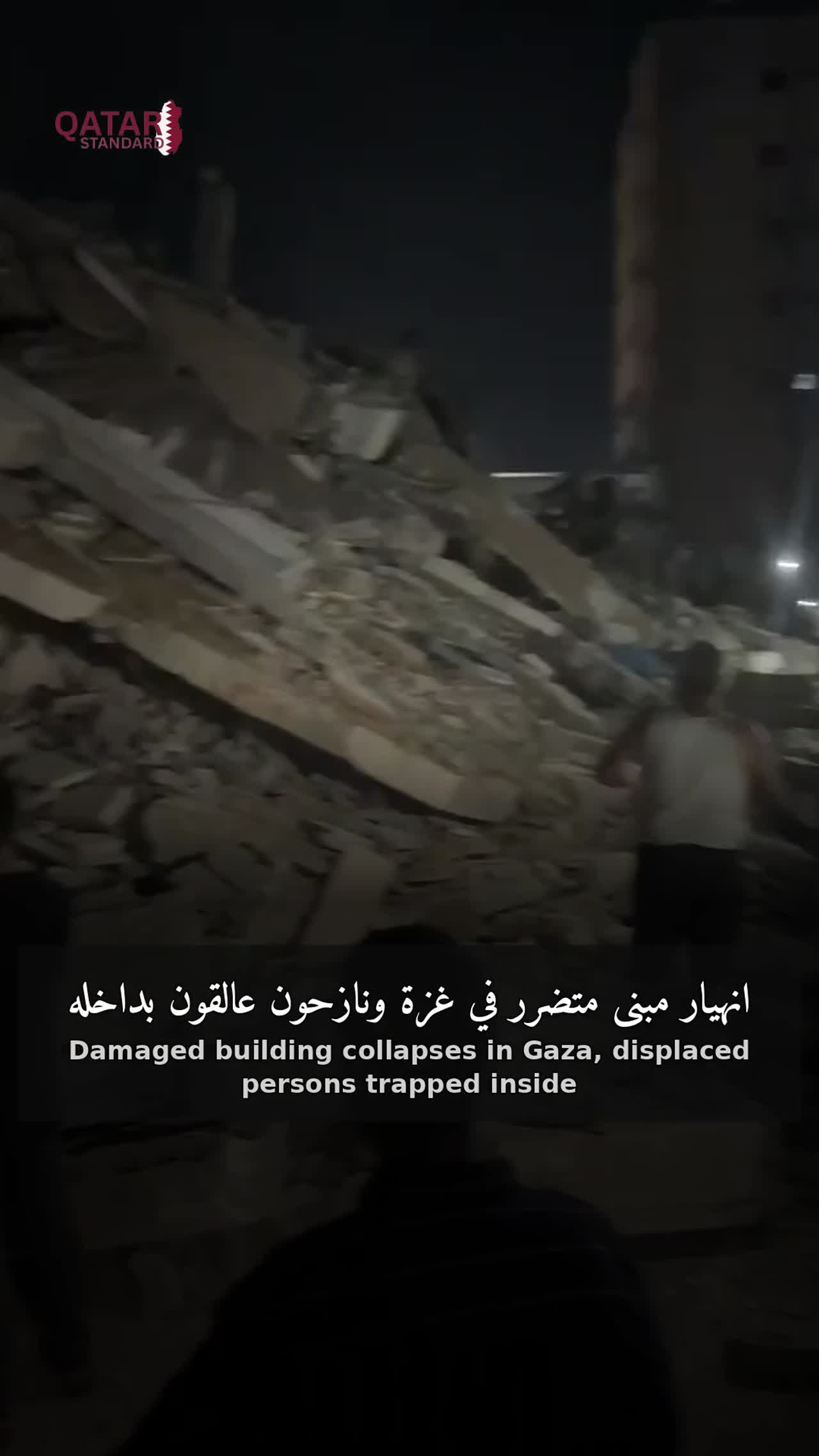
Building Collapses in Gaza City Universities Area After Israeli Strikes, Trapping Displaced Persons
 General