

Qatar, UAE, and Kuwait intercept Iranian missiles
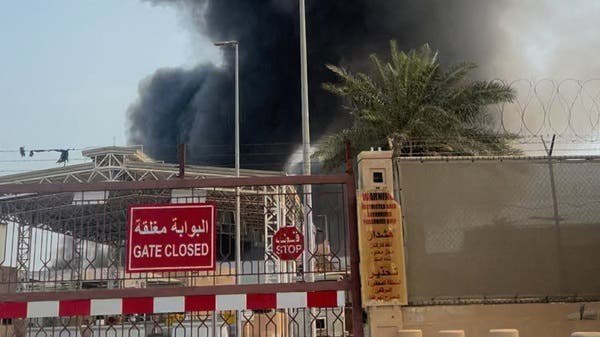
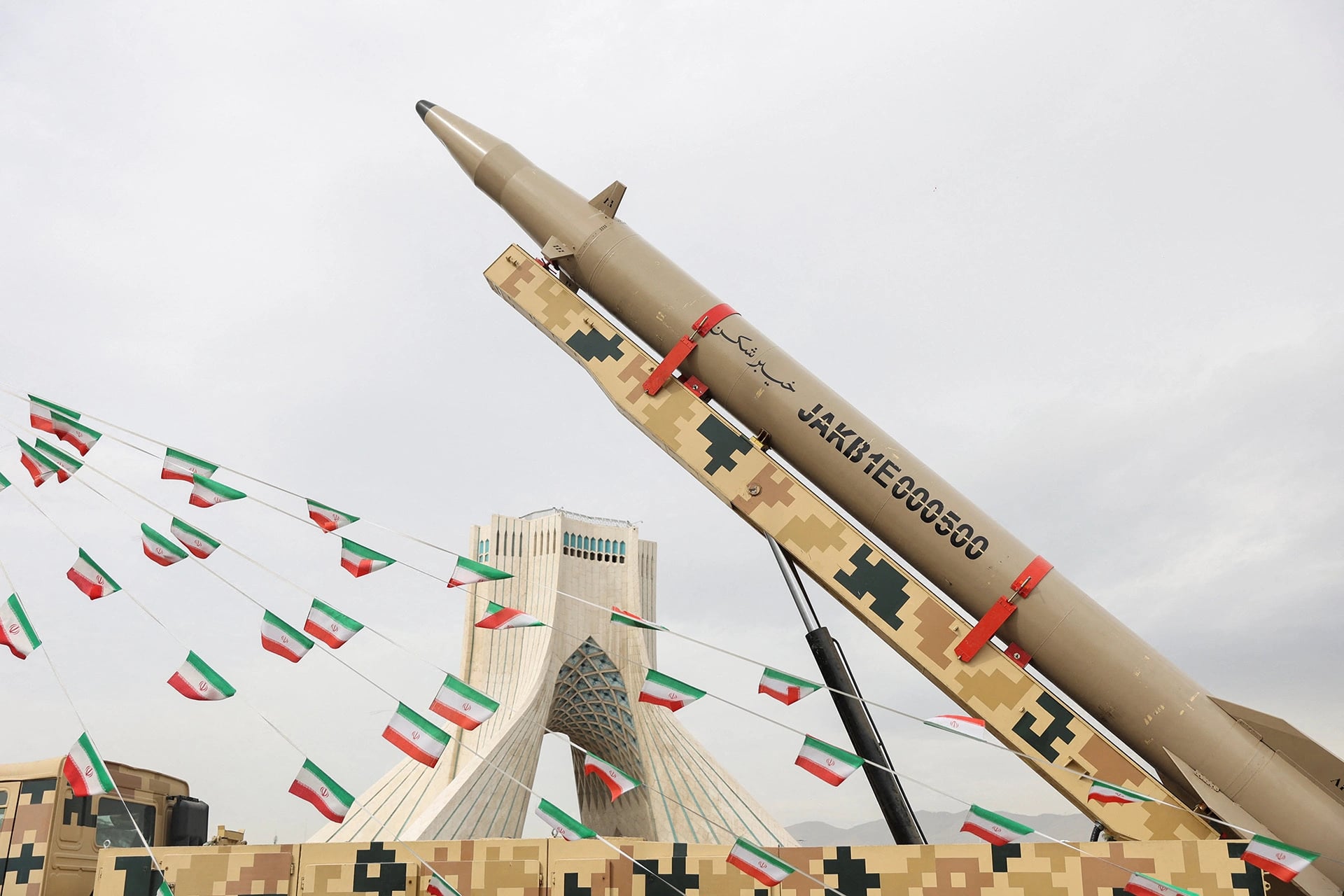
Qatar, the United Arab Emirates, and Kuwait have successfully intercepted missiles fired from Iran, according to recent reports, marking a significant escalation in regional tensions. The interception of these missiles highlights the complex and volatile nature of Middle Eastern geopolitics, where nations are increasingly relying on advanced defense systems to protect their territories from potential threats. The fact that three countries were able to intercept the missiles suggests a level of coordination and cooperation among them, possibly indicating a unified response to perceived Iranian aggression. This incident also underscores the importance of defense alliances and the role of technology in modern warfare, as the ability to detect and neutralize incoming missiles can be a decisive factor in national security.
The details of the interception, including the type of missiles and the defense systems used, have not been disclosed, but the incident is likely to have significant implications for regional stability. Iran's relations with its Arab neighbors have long been strained, and any military action or provocation can quickly escalate into a wider conflict. The Gulf Cooperation Council countries, which include Qatar, the UAE, and Kuwait, have been working to strengthen their defense capabilities in recent years, and this incident demonstrates the effectiveness of their efforts. The incident is also likely to have implications for international relations, as the United States and other Western powers have been seeking to contain Iranian influence in the region.
The ability of Qatar, the UAE, and Kuwait to intercept Iranian missiles will be seen as a significant achievement, and may embolden other countries in the region to take a stronger stance against Iranian aggression. As the situation continues to unfold, it will be important to monitor the responses of all parties involved, and to consider the potential consequences for regional and global stability. From a Gulf perspective, the successful interception of Iranian missiles is a welcome development, as it demonstrates the ability of regional countries to defend themselves against external threats. The incident also highlights the importance of cooperation and coordination among Gulf nations, as well as the need for continued investment in defense capabilities.
As the region continues to navigate complex geopolitical challenges, the ability of countries like Qatar, the UAE, and Kuwait to protect their territories and interests will be crucial, and this incident is a positive step in that direction. The Gulf Cooperation Council countries will likely continue to face challenges from Iran, and their ability to respond effectively will be essential for maintaining regional stability. The international community will also be watching the situation closely, as the implications of this incident extend beyond the region and have the potential to impact global security.
النسخة العربية
قطر والإمارات والكويت تعترض صواريخ إيرانية
تعترض دول الخليج العربي، وخاصة قطر والإمارات والكويت، صواريخ إيرانية في أحدث تطورات الأزمة الإقليمية. هذا التطور يأتي في سياق التوترات المتزايدة بين دول الخليج والجمهورية الإسلامية الإيرانية، حيث تشير التقارير إلى أن هذه الدول تعمل على تعزيز قدراتها العسكرية والدفاعية لمواجهة أي تهديد محتمل.
تعد هذه الخطوة جزءًا من الجهود المبذولة من قبل دول الخليج العربي لتعزيز أمنها القومي في مواجهة التهديدات الإقليمية. حيث أن الصواريخ الإيرانية تعتبر تهديدًا محتملًا لأمن واستقرار المنطقة، وبالتالي فإن اعتراض هذه الصواريخ يُعتبر إجراءً ضروريًا لحماية الشعوب والمنشآت الحيوية في هذه الدول.
وفقًا للمعلومات المتاحة، لم يتم الكشف عن تفاصيل دقيقة حول عدد الصواريخ المعترضة أو موعد حدوث ذلك، إلا أن هذا الإجراء يُظهر التزام دول الخليج العربي بضمان أمنها واستقرارها في مواجهة التحديات الإقليمية. يُعتبر هذا التطور جزءًا من الصراع الدائر في المنطقة، حيث تعمل كل دولة على تعزيز قدراتها العسكرية والدفاعية لمواجهة التهديدات المحتملة.
Source tweet
Qatar, UAE, and Kuwait intercept Iranian missiles
More Stories
 Gulf
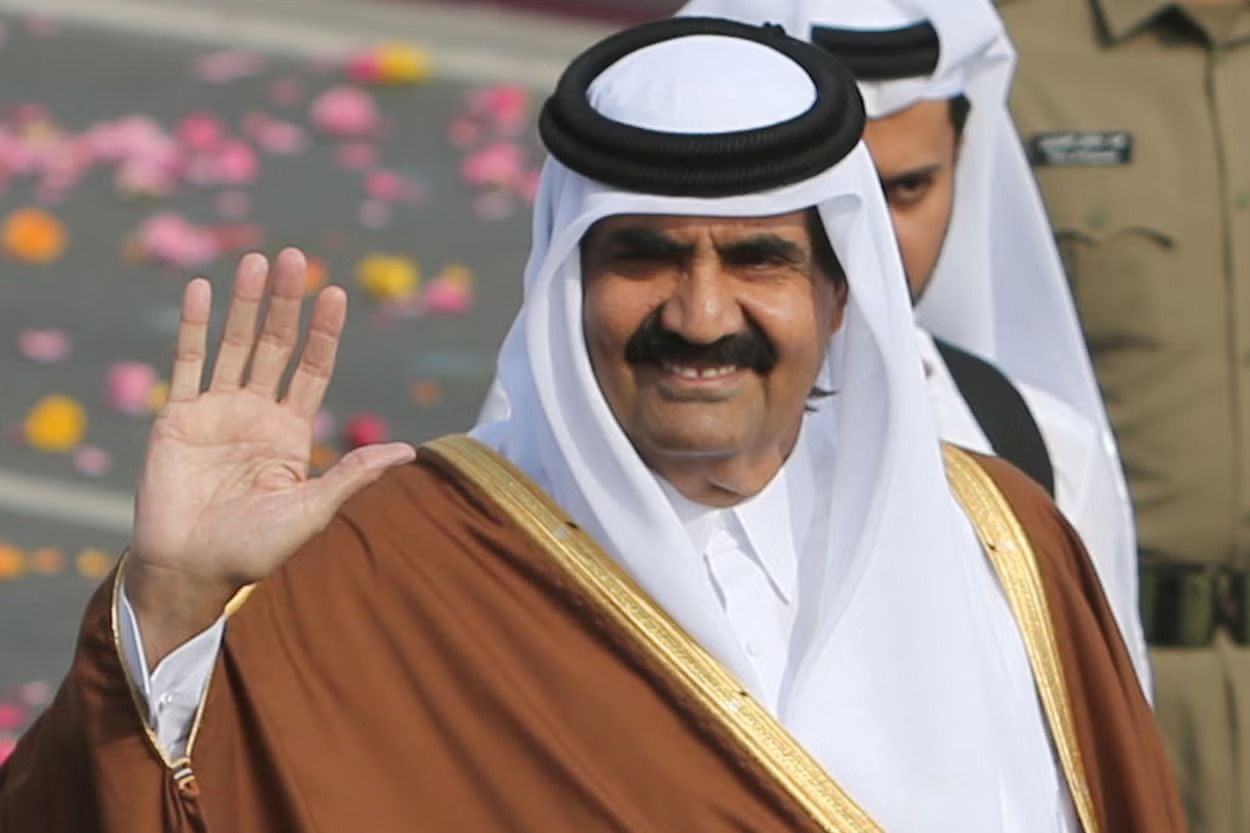
GulfSheikh Hamad bin Khalifa Al Thani, Former Emir of Qatar, Dies at 74
 Iran
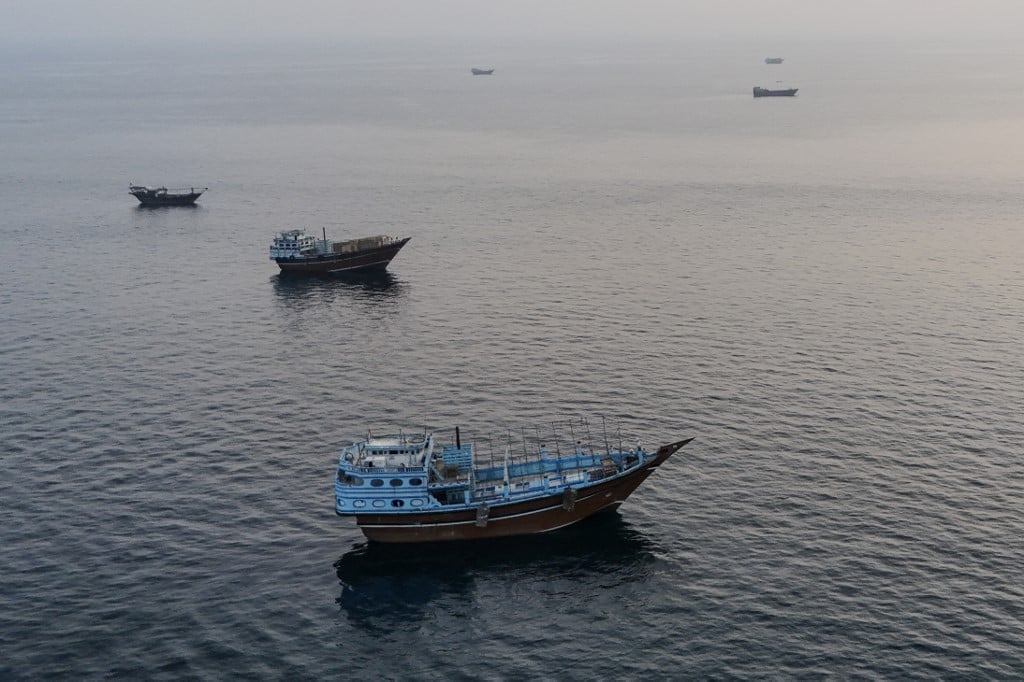
IranQatar condemns Iranian attacks on three tankers in Strait of Hormuz
 Diplomacy
Qatar, Ireland sign political consultations agreement amid regional security efforts
 Economy
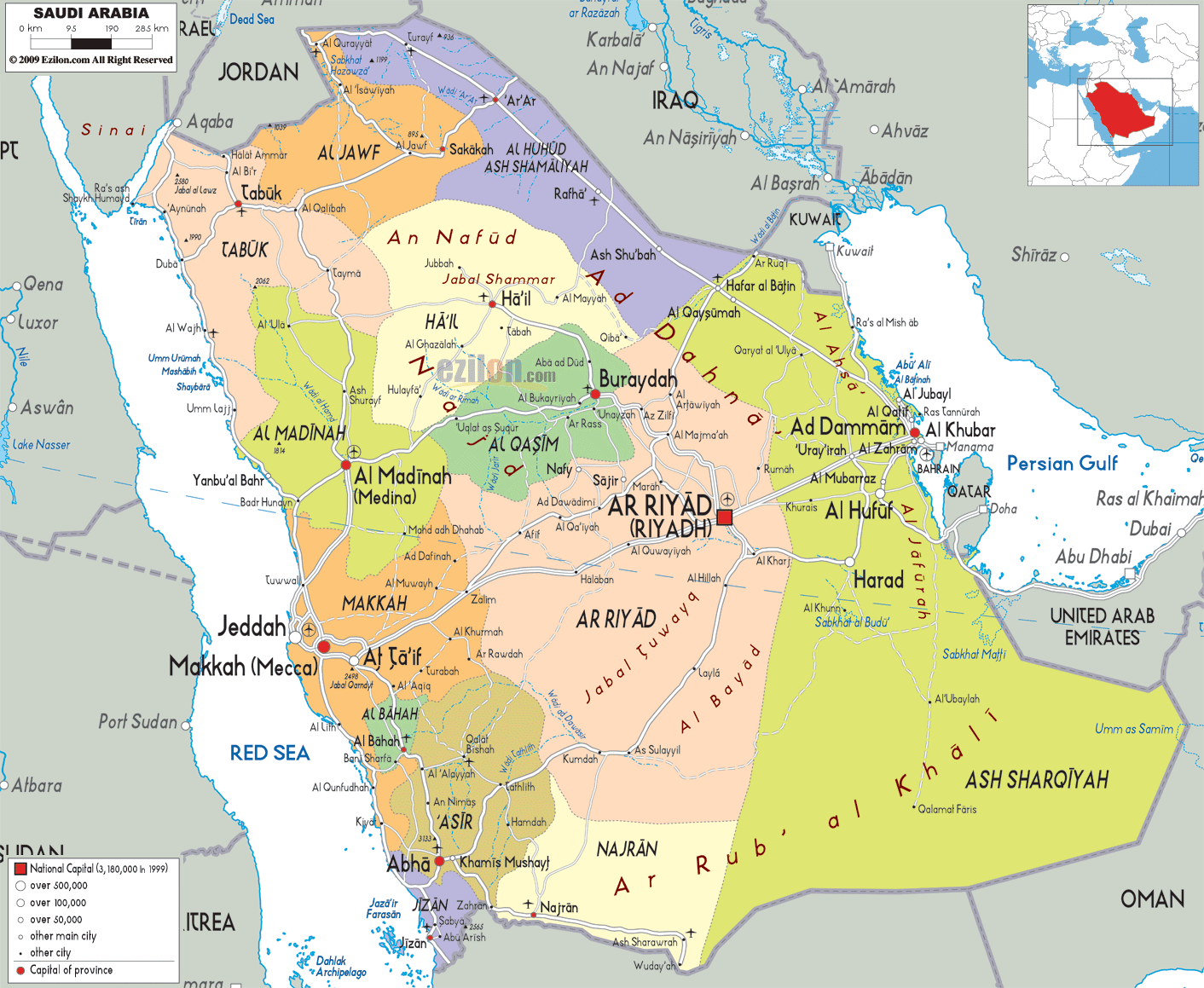
Qatar, Saudi Arabia push LNG and oil shipments despite Red Sea attacks
 Iran
Iran