

Trust in NATO drops in Sweden while confidence in royal family rises: Survey
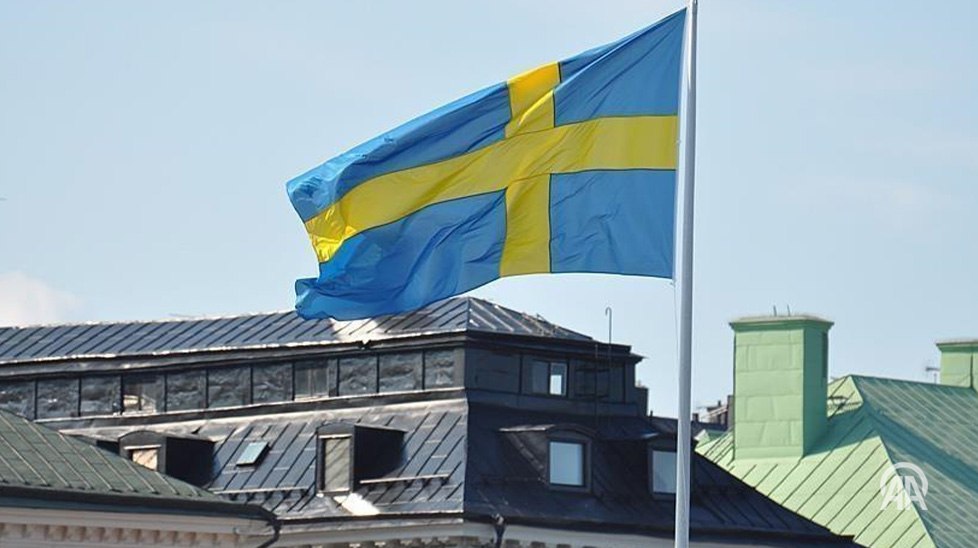
A recent survey reveals a significant decline in trust towards NATO among the Swedish population, contrasting with a notable increase in confidence in the Swedish royal family. The findings highlight shifting public sentiments regarding national and international institutions in Sweden.
The survey indicates that the percentage of Swedes expressing trust in NATO has decreased, reflecting growing skepticism about the alliance's role and effectiveness, particularly in the context of regional security concerns. This decline comes amid heightened tensions in Europe and ongoing discussions about military alliances and defense strategies. As Sweden navigates its security landscape, the waning trust in NATO may prompt discussions about the country's defense posture and its future role within the alliance.
In contrast, the royal family appears to be gaining favor among the Swedish populace. The rise in confidence in the monarchy suggests a strengthening bond between the royal family and the citizens, which may be attributed to their public engagements and efforts to connect with various societal issues. The royal family's visibility and involvement in charitable initiatives could be contributing factors to this increased trust, as they continue to play a symbolic role in Swedish society.
The juxtaposition of these two trends reflects broader themes in Swedish society, where citizens are increasingly evaluating the effectiveness and relevance of traditional institutions. The decline in trust in NATO may signal a desire for a more independent approach to security, while the royal family's rising popularity indicates a preference for continuity and tradition in national identity.
As Sweden grapples with these evolving sentiments, the implications for its foreign policy and domestic governance could be significant. The government may need to address public concerns regarding NATO's role and effectiveness, especially as discussions about military collaboration and defense spending become more prominent. Meanwhile, the royal family's strengthened position could serve as a unifying force in a time of uncertainty, reinforcing national identity and cohesion.
From a Gulf perspective, the shifting dynamics in Sweden may resonate with broader regional trends where trust in governmental and international institutions is being scrutinized. As nations in the Gulf Cooperation Council navigate their own security challenges and relationships with global powers, the Swedish experience serves as a reminder of the importance of public sentiment in shaping policy and governance. The interplay between national identity and international alliances will continue to be a critical area of focus for countries both in the Gulf and beyond.
النسخة العربية
تراجع ثقة السويديين في الناتو وارتفاعها في العائلة المالكة وسط توترات جيوسياسية
أظهرت دراسة استقصائية حديثة أن مستوى الثقة في حلف شمال الأطلسي (الناتو) قد شهد تراجعاً بين المواطنين السويديين، في حين ارتفعت الثقة في العائلة المالكة. تأتي هذه النتائج في وقت حساس بالنسبة للسويد التي تسعى للانضمام إلى الناتو وسط التوترات الجيوسياسية المتزايدة في أوروبا.
تاريخياً، كانت السويد تتبع سياسة الحياد العسكري، لكنها قررت التقدم بطلب للانضمام إلى الناتو بعد الغزو الروسي لأوكرانيا. رغم ذلك، يبدو أن الرأي العام في السويد يشهد تحولاً ملحوظاً، حيث أظهرت الاستطلاعات الأخيرة انخفاضاً في نسبة السويديين الذين يثقون في الناتو. قد يعكس هذا التراجع مخاوف المواطنين من التورط في النزاعات العسكرية أو من التبعات الاقتصادية والسياسية للانضمام إلى التحالف.
في المقابل، ارتفعت الثقة في العائلة المالكة السويدية، وهو ما قد يعكس رغبة المواطنين في التمسك بالرموز الوطنية في أوقات عدم الاستقرار. العائلة المالكة، التي تتمتع بتاريخ طويل في السويد، قد تكون قد استفادت من دورها كرمز للوحدة والاستمرارية في ظل التغيرات السياسية والاقتصادية.
Source tweet
📊Trust in NATO drops in Sweden while confidence in royal family rises: Survey • Share of Swedes expressing trust i
More Stories
 Iran
IranIranian Parliament Head Says They Do Not Trust the Enemy
 Economy
Taiwan's Investment in China Drops to 3.7%, US Becomes Top Destination
 Gulf
GulfQatar Focuses on Defending Sovereignty While Supporting Diplomatic Efforts to End Conflict
 Iran
IranIranian Foreign Ministry Spokesman Expresses Distrust in US Diplomacy
 Gulf
Gulf