

UAE Regulator Reports No Radioactive Release After Drone Strike
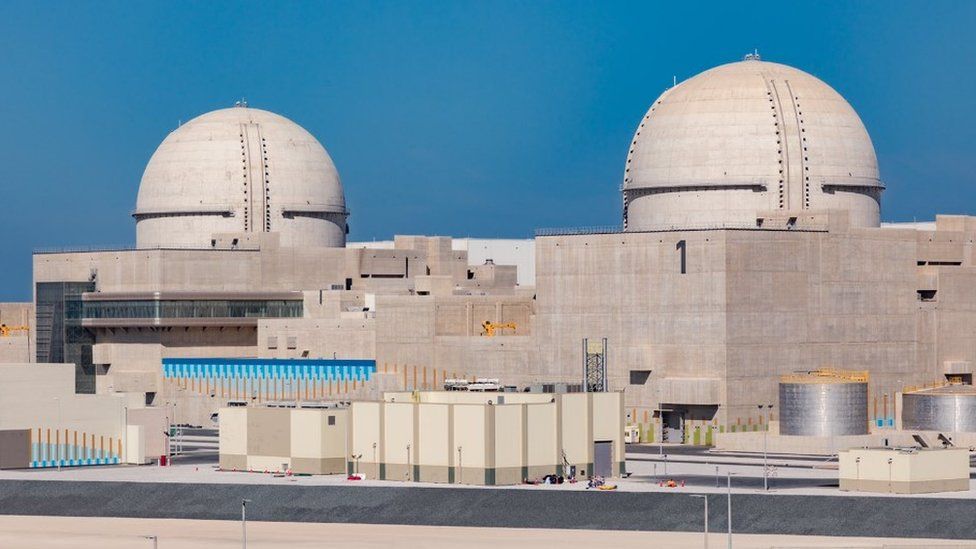
The United Arab Emirates' Federal Authority for Nuclear Regulation confirmed Sunday that no radioactive release or environmental contamination resulted from a drone incident in the vicinity of the Barakah Nuclear Power Plant, moving to reassure regional partners after preliminary reports of an attempted strike near the country's flagship atomic energy facility. In a statement carried by Anadolu Agency, the regulator said the plant's four operational reactors continued generating electricity at normal capacity and that no abnormal radiation readings had been recorded at on-site or perimeter monitoring stations. Emergency protocols were briefly activated as a precaution before being stood down, officials said, and no injuries to plant personnel were reported. The Barakah facility, located in the Al Dhafra region roughly 270 kilometers west of Abu Dhabi along the Gulf coast, is the Arab world's first operational nuclear power plant and supplies an estimated 25 percent of the UAE's electricity demand. Built by a South Korean-led consortium at a cost of more than 24 billion dollars, the four-unit complex has been a centerpiece of Abu Dhabi's strategy to diversify its energy mix and meet climate commitments while preserving hydrocarbon exports. UAE authorities have not publicly attributed the drone activity to any specific actor, and no group has claimed responsibility. The incident comes amid heightened regional tensions over Red Sea and Gulf shipping lanes, where Houthi forces in Yemen have repeatedly targeted commercial vessels and previously launched long-range drone and missile strikes against Emirati territory, including the January 2022 attack on Abu Dhabi that killed three civilians. Critical energy infrastructure across the Gulf, from Aramco facilities in Saudi Arabia to LNG terminals along the Arabian coast, has been a focus of layered air-defense investments over the past three years. For Doha, which neighbors the UAE across the Gulf and operates the world's largest single LNG export complex at Ras Laffan, any threat to regional energy infrastructure carries direct implications for shipping routes through the Strait of Hormuz and for confidence in Gulf energy supply chains feeding Asian and European markets. Qatar has consistently advocated for de-escalation across the region and maintains active mediation channels with Tehran, Washington and Sanaa. The Federal Authority for Nuclear Regulation said it would continue coordinating with the International Atomic Energy Agency and would publish updated monitoring data in the coming days. Operator Nawah Energy Company, the joint venture between the Emirates Nuclear Energy Corporation and Korea Electric Power Corporation, reiterated that defense-in-depth safety systems performed as designed and that grid supply from Barakah remained uninterrupted throughout the event.
النسخة العربية
عاجل | هجمات الطائرات بدون طيار بالقرب من محطة براكة النووية في الإمارات لا تثير قلقاً بيئياً أو صحة
أكدت الهيئة الاتحادية للرقابة النووية في دولة الإمارات العربية المتحدة يوم الأحد عدم تسجيل أي تسرب إشعاعي أو تلوث بيئي إثر حادث طائرة مسيّرة في محيط محطة براكة للطاقة النووية، في خطوة تهدف إلى طمأنة الشركاء الإقليميين بعد تقارير أولية عن محاولة استهداف المنشأة النووية الرئيسية في البلاد. وقالت الهيئة في بيان نقلته وكالة الأناضول إن المفاعلات الأربعة العاملة في المحطة واصلت إنتاج الكهرباء بطاقتها الاعتيادية، ولم تُسجَّل أي قراءات إشعاعية غير طبيعية في محطات الرصد داخل الموقع وعلى محيطه. وأوضح المسؤولون أن بروتوكولات الطوارئ جرى تفعيلها بشكل احترازي لفترة وجيزة قبل إلغائها، دون تسجيل أي إصابات في صفوف العاملين. وتقع محطة براكة في منطقة الظفرة على بُعد نحو 270 كيلومتراً غرب أبوظبي على ساحل الخليج، وتُعدّ أول محطة نووية تشغيلية في العالم العربي، إذ تُوفّر ما يقارب 25 بالمئة من احتياجات الإمارات من الكهرباء. وقد أنشأها تحالف بقيادة كورية جنوبية بكلفة تجاوزت 24 مليار دولار، وتمثل ركيزة أساسية في استراتيجية أبوظبي لتنويع مزيج الطاقة والوفاء بالتزاماتها المناخية مع الحفاظ على صادراتها الهيدروكربونية. ولم تُحمّل السلطات الإماراتية أي جهة مسؤولية النشاط المسيّر حتى الآن، فيما لم يُعلَن عن أي تبنٍّ للحادث. ويأتي ذلك في ظل توترات إقليمية متصاعدة حول ممرات الملاحة في البحر الأحمر والخليج، حيث تستهدف قوات الحوثيين في اليمن سفناً تجارية بشكل متكرر، وسبق أن شنّت هجمات بعيدة المدى بطائرات مسيّرة وصواريخ على الأراضي الإماراتية، من بينها هجوم يناير 2022 على أبوظبي الذي أودى بحياة ثلاثة مدنيين. وتشكّل البنية التحتية للطاقة في الخليج، من منشآت أرامكو في السعودية إلى محطات الغاز المسال على الساحل العربي، محور استثمارات متعددة الطبقات في منظومات الدفاع الجوي خلال السنوات الثلاث الماضية. وبالنسبة للدوحة المجاورة للإمارات عبر الخليج، والتي تُشغّل أكبر مجمّع لتصدير الغاز المسال في العالم في رأس لفان، فإن أي تهديد للبنية التحتية للطاقة الإقليمية ينعكس مباشرة على مسارات الشحن عبر مضيق هرمز وعلى الثقة في سلاسل إمدادات الطاقة الخليجية إلى الأسواق الآسيوية والأوروبية. وتدعو قطر باستمرار إلى التهدئة في المنطقة، وتحتفظ بقنوات وساطة نشطة مع طهران وواشنطن وصنعاء. وأفادت الهيئة الاتحادية للرقابة النووية بأنها ستواصل التنسيق مع الوكالة الدولية للطاقة الذرية، وستنشر بيانات رصد محدّثة خلال الأيام المقبلة. وأكدت شركة نواة للطاقة المُشغّلة، وهي مشروع مشترك بين مؤسسة الإمارات للطاقة النووية ومؤسسة كوريا للطاقة الكهربائية، أن منظومات السلامة المتعددة الطبقات أدّت دورها على النحو المصمَّم له، وأن إمدادات الكهرباء من براكة إلى الشبكة لم تتأثر طوال فترة الحادث.
Source tweet
🚨 BREAKING | UAE: No radioactive leak after drone strike near Barakah nuclear plant. Incident poses no risk to public or environment. #UAE #BarakahNuclearPlant
More Stories
 Iran
IranAfter Iran Strikes, Trump Threatens Cuba With US Naval Deployment
Italian FM Urges Israel to 'Guarantee Religious Freedom' After Jerusalem Assault
 BREAKING
Released Palestinian Journalist Describes Deteriorating Health in Israeli Detention
 Gulf
Gulf