

عاجل | تصعيد في الطاقة: منشآت نفطية تتعرض للضرب خلال الحرب في الشرق الأوسط

شهدت منطقة الشرق الأوسط موجة غير مسبوقة من الهجمات التي استهدفت منشآت النفط والغاز في عدد من الدول منذ الثامن والعشرين من فبراير، في تصعيد خطير أثار موجة من القلق في أسواق الطاقة العالمية وأروقة صنع القرار الدولي.
طالت الضربات عشرات المواقع النفطية والغازية في كل من إيران والمملكة العربية السعودية والإمارات العربية المتحدة ودولة قطر والكويت والبحرين والعراق وسلطنة عمان وإسرائيل، في ما يُعدّ أوسع استهداف لمنشآت الطاقة في المنطقة منذ عقود.
وأكدت دولة قطر، أكبر مصدّر للغاز الطبيعي المسال في العالم، تعرّض عدد من منشآتها لهجمات ضمن هذه الحملة. وتحرّكت الدوحة بشكل سريع لتقييم الأضرار وتعزيز الإجراءات الأمنية حول بنيتها التحتية الحيوية، بما في ذلك حقل الشمال الذي يضمّ أكبر احتياطي للغاز الطبيعي غير المصاحب في العالم. وأكدت السلطات القطرية تنسيقها المستمر مع الشركاء الإقليميين والدوليين لضمان استمرار تدفق إمدادات الطاقة إلى الأسواق العالمية.
وقفزت أسعار النفط الخام بشكل حاد في أعقاب الهجمات، حيث تجاوز خام برنت مستويات قياسية مع تسعير المتداولين لمخاطر انقطاع الإمدادات لفترة مطوّلة. وحذّر محللون من أن أي ضرر مستدام يلحق بمحطات التصدير أو مصافي المعالجة قد يؤدي إلى تشديد سوق الطاقة العالمية المتوترة أصلاً، بتبعات تمتد من فواتير التدفئة الأوروبية إلى تكاليف التصنيع الآسيوية.
وأفادت شركة أرامكو السعودية بتعرّض عدد من منشآتها للاستهداف، فيما أكدت الإمارات والكويت وقوع ضربات على مواقع إنتاج رئيسية. كما تأثرت حقول النفط الجنوبية في العراق، التي تمثل الحصة الأكبر من صادرات البلاد النفطية.
ودعا مجلس التعاون لدول الخليج العربية إلى عقد جلسة طارئة لتنسيق استجابة جماعية. وأصدرت وزارة الخارجية القطرية بياناً أدانت فيه الهجمات بوصفها تهديداً مباشراً لأمن الطاقة العالمي، مطالبةً المجتمع الدولي باتخاذ إجراءات فورية لخفض التصعيد.
وأعلنت وكالة الطاقة الدولية استعدادها للإفراج عن احتياطيات النفط الاستراتيجية في حال استمرار الانقطاع، محذّرةً من أن الشرق الأوسط يمثل نحو ثلث الإنتاج النفطي العالمي، وأن أي توقف مطوّل قد يُفضي إلى أزمة إمدادات لم تشهدها الأسواق منذ صدمات السبعينيات.
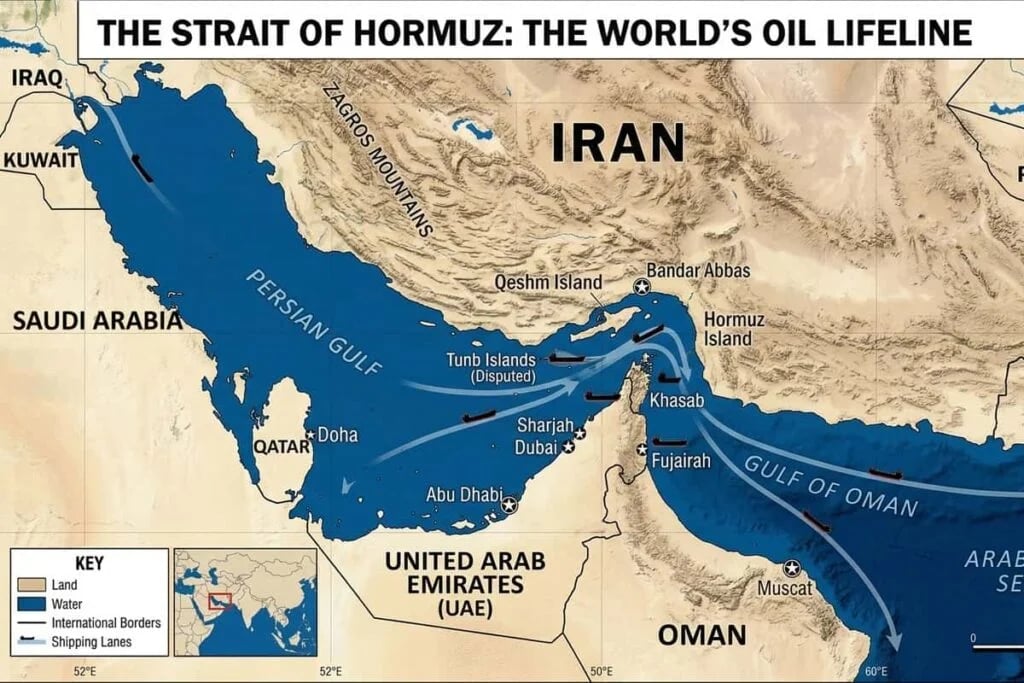
وأشار خبراء أمنيون إقليميون إلى أن استهداف البنية التحتية للطاقة عبر دول سيادية متعددة في آن واحد يمثل تصعيداً غير مسبوق يغيّر جذرياً حسابات الصراع، ويكشف هشاشة ممرات الطاقة الحيوية بما فيها مضيق هرمز الذي يمرّ عبره نحو خُمس إنتاج النفط العالمي يومياً.
وفي ظل تطور الأوضاع، رفعت دول الخليج حالة التأهب في قواتها المسلحة، وكثّفت عمليات الأمن البحري في الخليج العربي لحماية خطوط الملاحة والمنصات البحرية من أي هجمات إضافية.
English Version
Dozens of Oil and Gas Facilities Struck Across Middle East Amid Ongoing Conflict
A wave of attacks targeting oil and gas infrastructure across the Middle East has struck dozens of facilities since February 28, marking a dramatic escalation in the ongoing regional conflict and sending shockwaves through global energy markets.
The strikes, which have hit installations in Iran, Saudi Arabia, the United Arab Emirates, Qatar, Kuwait, Bahrain, Iraq, Oman, and Israel, represent the most significant disruption to regional energy production in decades. The breadth and coordination of the attacks have raised alarm among governments, energy analysts, and international organizations monitoring the rapidly deteriorating security situation.
Qatar, the world's largest exporter of liquefied natural gas, confirmed that several of its facilities were targeted in the campaign. Doha moved swiftly to assess the damage and bolster security around its critical energy infrastructure, including the North Field, which holds the world's largest non-associated natural gas reserves. Qatari authorities have maintained close coordination with regional and international partners to ensure the continued flow of energy supplies to global markets.
المصدر
🚨 عاجل | تصعيد في الطاقة: منشآت نفطية تتعرض للضرب خلال الحرب في الشرق الأوسط منذ 28 فبراير، تم استهداف العشرات من مواقع النفط والغاز في إيران والسعودية والإمارات وقطر والكويت والبحرين والعراق وعمان وإسرائيل. #الشرق_الأوسط #الأمن #الطاقة
المزيد من القصص
 اقتصاد
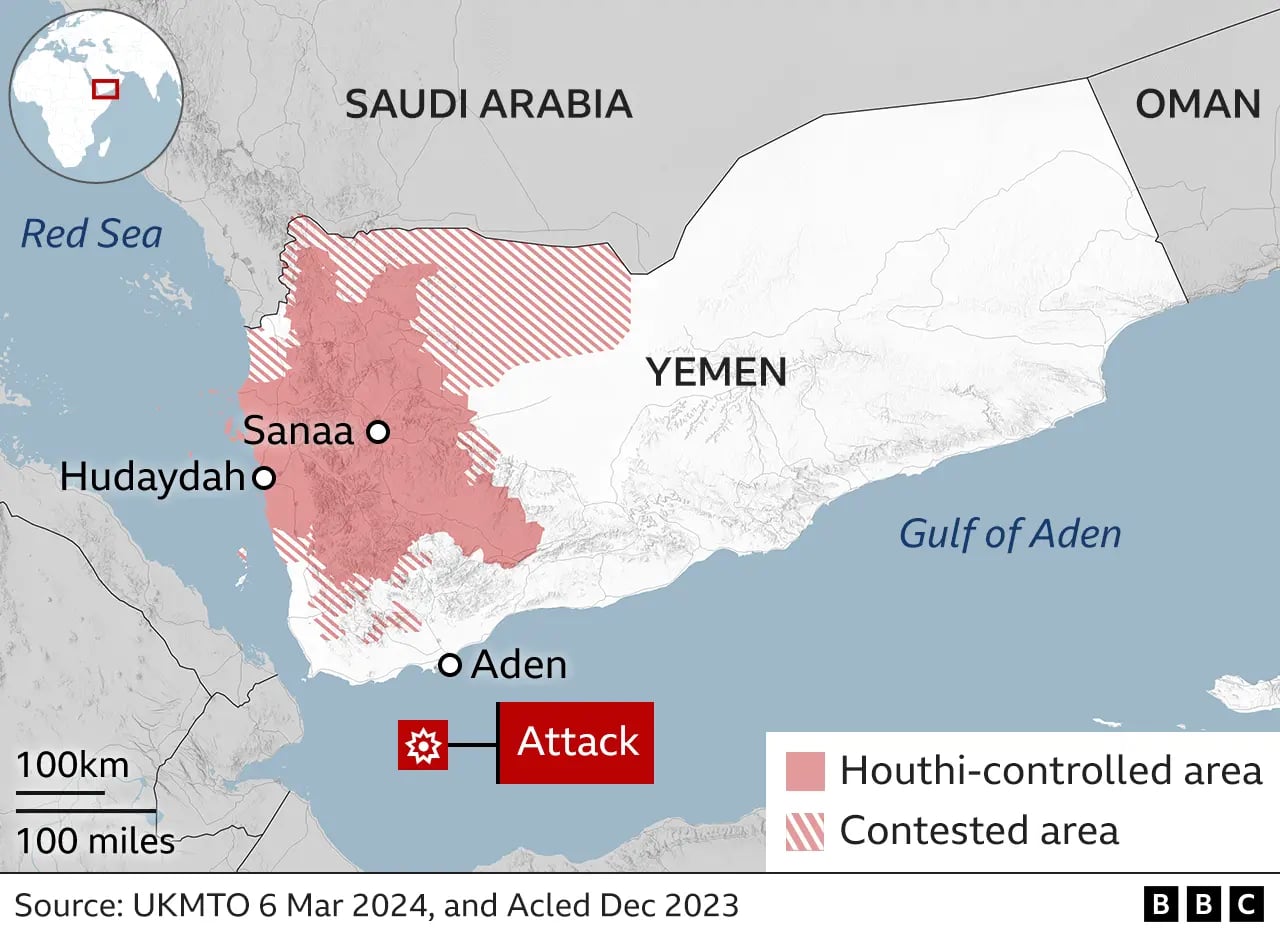
الحوثيون يتقدمون في اليمن ويستهدفون منشأة سعودية نفطية
 أفريقيا
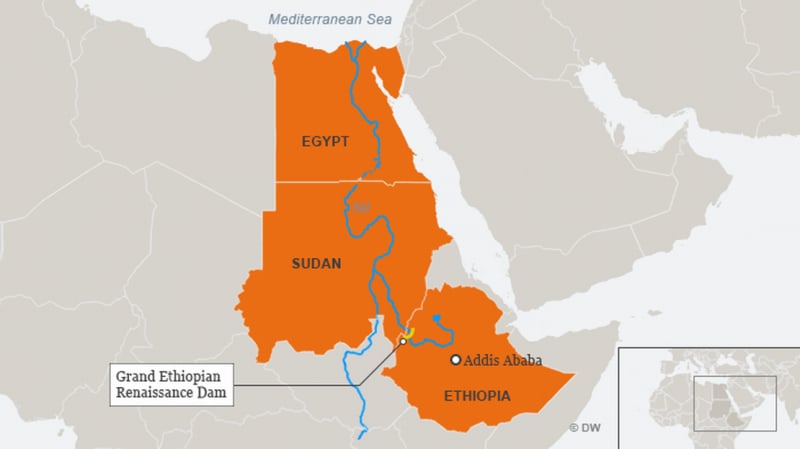
مصر تحذر إثيوبيا من سدود نيلية جديدة وسط تصعيد التوترات الإقليمية
 دبلوماسية
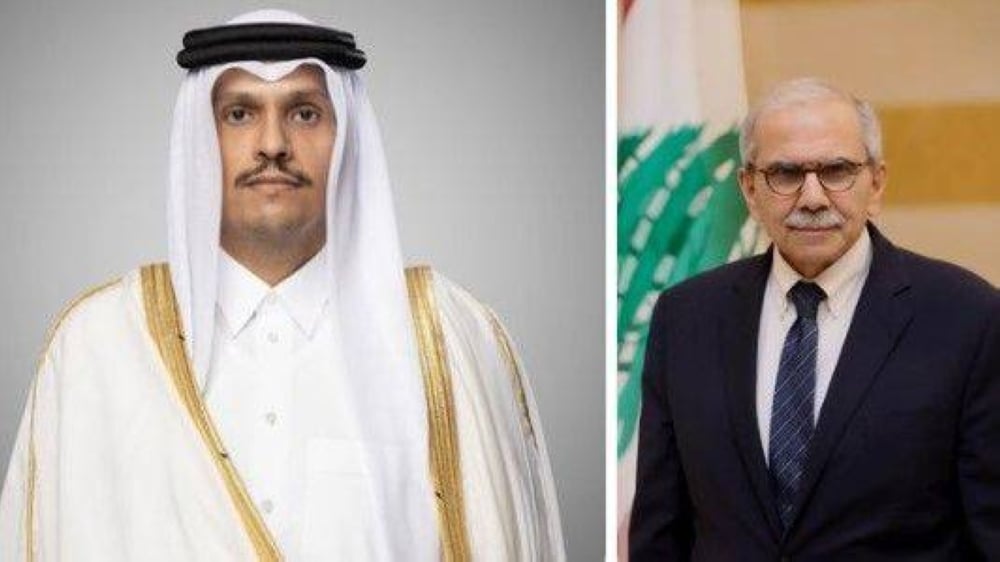
رئيس وزراء قطر ونظيره اللبناني يناقشان تخفيف التصعيد الإقليمي
 دبلوماسية
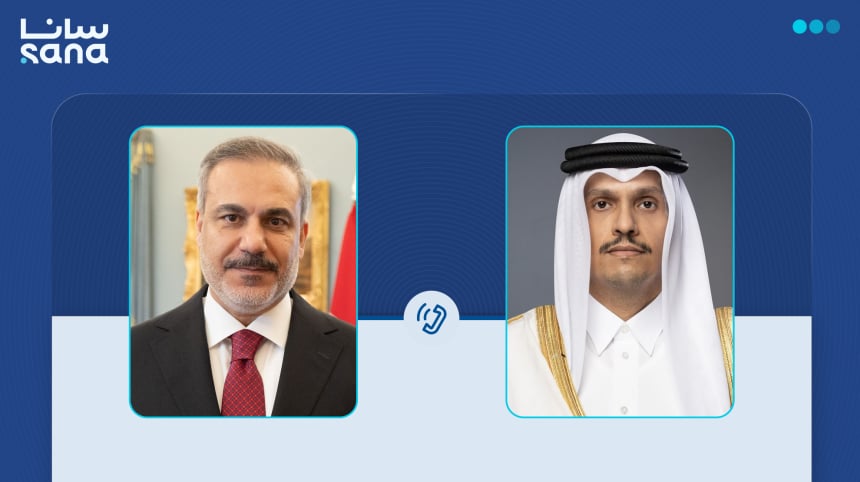
قطر وتركيا تناقشان التطورات الإقليمية وجهود تخفيف التصعيد
 إيران
إيران