

Iranian Drones Target Oil Facilities in Iraq Amid Rising Regional Tensions
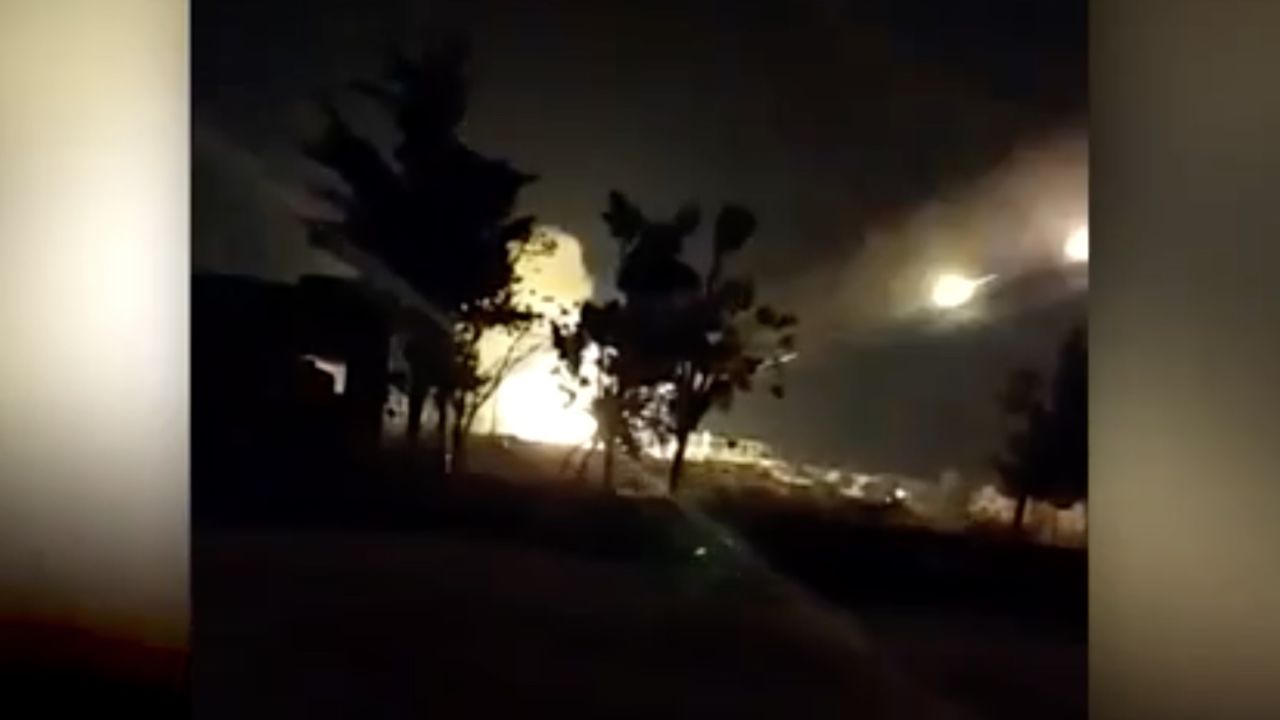
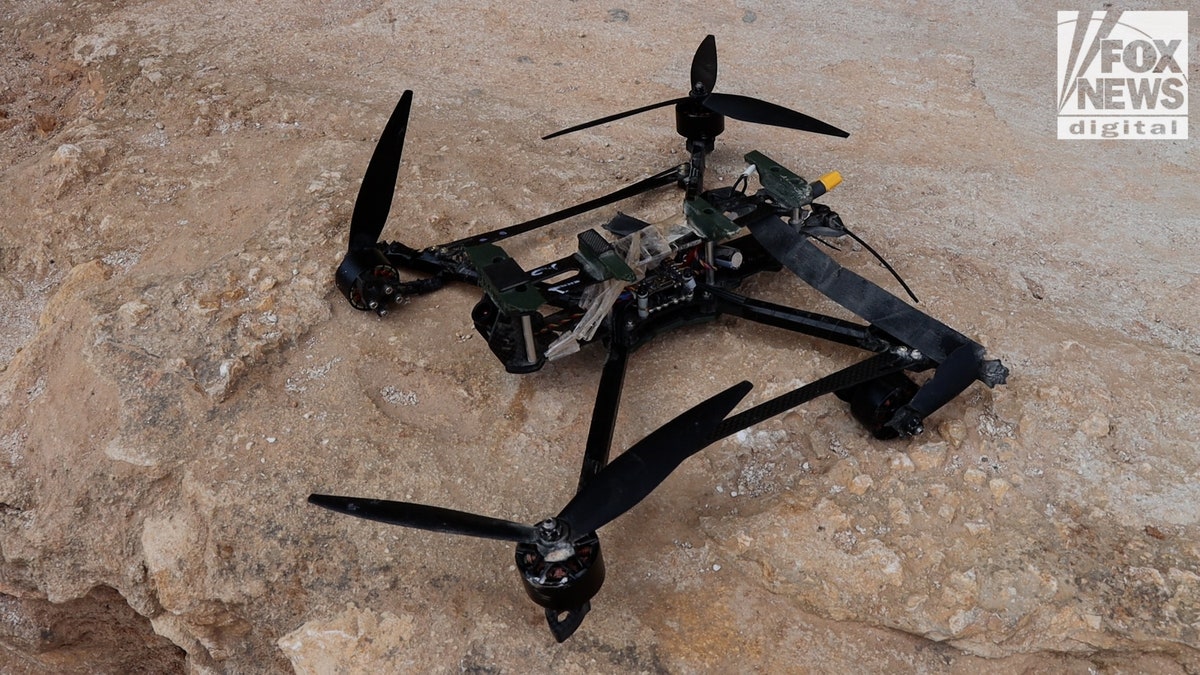
Iranian Shahed drones have launched attacks on oil facilities in Iraq, marking a significant escalation in regional tensions and raising concerns about the security of critical energy infrastructure. These attacks have underscored the challenges faced by the U.S. Air Force in intercepting unmanned aerial vehicles, which are becoming increasingly sophisticated and difficult to counter.
The use of Iranian drones in Iraq is part of a broader pattern of military engagement that has intensified in the region. As Iran continues to expand its drone capabilities, the implications for both regional stability and global energy markets are profound. Targeting oil facilities threatens Iraq's economy and raises alarms about the potential for wider conflicts that could disrupt oil supply chains and increase prices worldwide.
The recent drone strikes occur amid heightened tensions between Iran and the United States, as well as ongoing conflicts involving various proxy groups in the region. The U.S. has been actively monitoring Iranian drone activity, which has been linked to a series of attacks on U.S. interests and allies in the Middle East. The complexity of aerial engagements complicates the U.S. military's ability to respond effectively, as the drones are often deployed in swarms and can be difficult to detect and intercept.
Iran's drone program has become a focal point of concern for many nations, particularly as these drones have been used not only in Iraq but also in other conflict zones, including Syria and Yemen. Their ability to strike strategic targets underscores the shifting dynamics of warfare in the region, where traditional military assets are increasingly supplemented by unmanned systems.
The implications of these developments extend beyond immediate military concerns. Iraq's oil sector is a critical component of its economy, and any disruption to production or exports could have significant repercussions for the country's financial stability. Additionally, as global energy markets remain sensitive to geopolitical tensions, the attacks could lead to fluctuations in oil prices, affecting economies far beyond the region.
For Gulf nations, the rise of drone warfare presents new challenges in terms of defense and security. Countries in the Gulf Cooperation Council (GCC) are likely to reassess their military strategies and invest in advanced technologies to counter the growing threat posed by drones. The potential for increased military cooperation among Gulf states, as well as with the United States, may also emerge as a response to the evolving security landscape.
As the situation develops, the focus will remain on how regional actors respond to these provocations and whether diplomatic efforts can mitigate the risk of further escalation. The international community is closely monitoring these events, recognizing that stability in Iraq and the broader region is essential for global energy security and peace. The ongoing conflict and the use of drones as a tool of warfare will likely continue to shape the geopolitical landscape in the Middle East for the foreseeable future.
النسخة العربية
طائرات مسيرة إيرانية تستهدف منشآت نفطية في العراق وسط تصاعد التوترات الإقليمية
في تصعيد جديد للتوترات الإقليمية، استهدفت طائرات مسيرة إيرانية من طراز "شاهد" منشآت نفطية في العراق، مما يعكس تعقيدات الوضع الأمني في المنطقة وتأثيره على الاستقرار الاقتصادي والسياسي.
تأتي هذه الهجمات في سياق تصاعد التوترات بين إيران وعدة دول في المنطقة، حيث تسعى طهران إلى تعزيز نفوذها الإقليمي وسط ضغوط دولية متزايدة. تعتبر الطائرات المسيرة "شاهد" جزءاً من ترسانة إيران المتطورة التي تستخدمها لتعزيز مصالحها الاستراتيجية في الشرق الأوسط. وقد أثارت هذه الهجمات قلقاً كبيراً بين الدول المجاورة، خاصة أن العراق يعتبر واحداً من أكبر منتجي النفط في العالم، ويعتمد اقتصاده بشكل كبير على صادرات النفط.
الهجمات على المنشآت النفطية في العراق ليست مجرد اعتداء على البنية التحتية الاقتصادية، بل تحمل أيضاً رسائل سياسية واضحة. فهي تشير إلى استعداد إيران لاستخدام القوة العسكرية لحماية مصالحها، وتبعث برسالة إلى خصومها بأنها قادرة على التأثير في أسواق النفط العالمية. كما أن هذه الهجمات قد تؤدي إلى ارتفاع أسعار النفط، مما يؤثر على الاقتصاد العالمي بشكل عام.
Source tweet
🚨 BREAKING | Iranian Shahed drones target oil facilities in Iraq. The U.S. Air Force faces significant challenges in intercepting these drones, reflecting the escalating regional tensions and complexities of aerial engagements. #Iraq #Iran #Drones #BreakingNews
More Stories
 BREAKING
Iranian Supertanker Evades US Blockade, Reaches Far East
 BREAKING
Trump Defends Iranian Ship Seizure, Suggests US May Be Better Off Without Deal
 Politics
Hezbollah Launches Rocket and Drone, Falls Near Israeli Forces in Lebanon
Israeli Home Front: Sirens Sound in Rosh HaNikra After Drone Infiltration from Lebanon
 BREAKING