

Iraq Seizes Drone Platform Used to Target Saudi Oil Pipeline
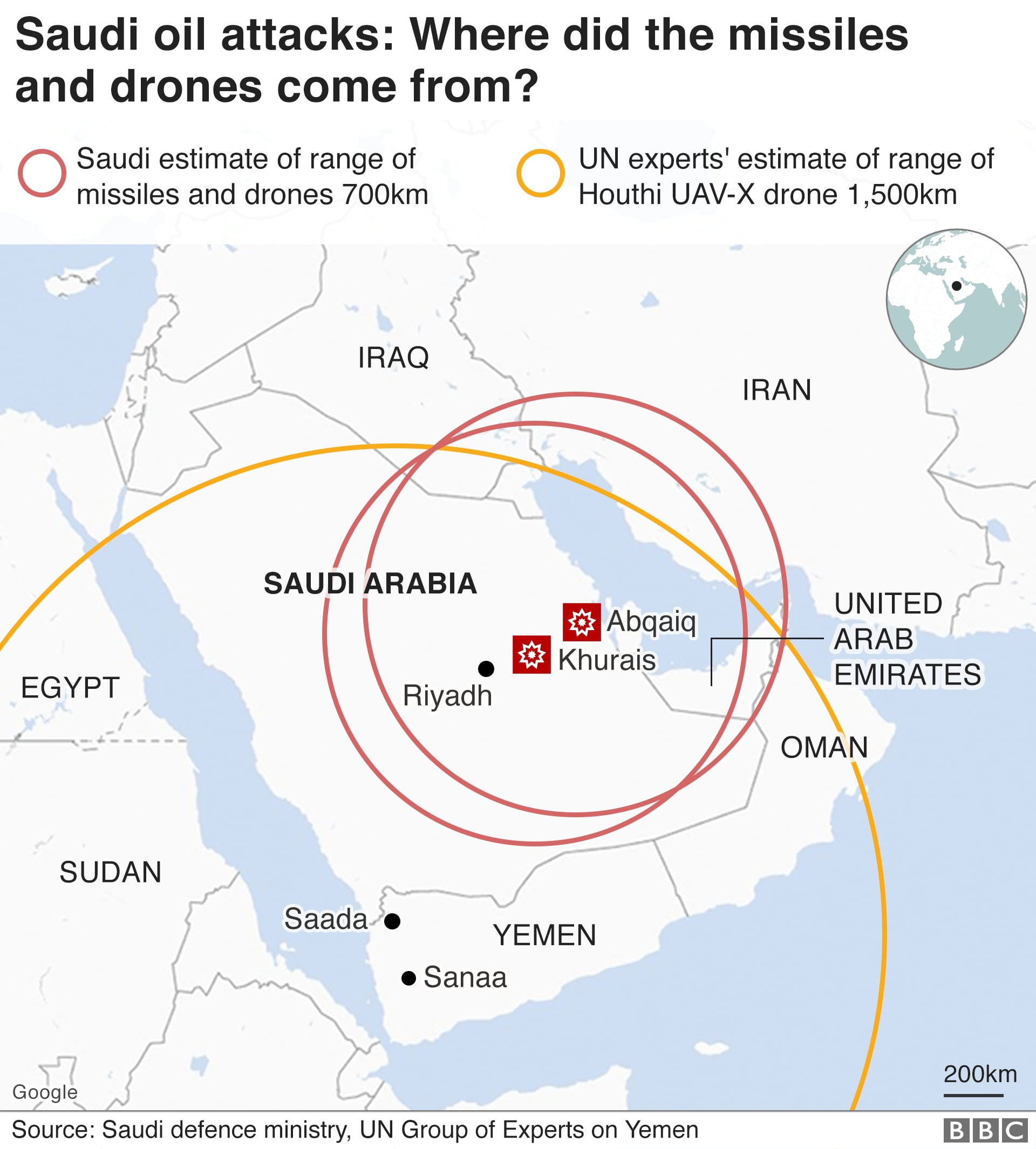
Iraq announced the seizure of a drone-launching platform allegedly used in attacks targeting Saudi oil infrastructure, the latest military operation underscoring escalating tensions over energy security across the Gulf region. The platform's discovery highlights the persistent vulnerability of Saudi Arabia's critical oil and gas facilities to drone strikes, a threat that has intensified over the past several years amid regional instability.
The operation reflects Iraq's expanding security operations against armed groups within its territory, many of which maintain external backing and cross-border capabilities. Drone attacks on Saudi oil installations represent a significant strategic concern for the Kingdom and its international partners, as Saudi energy exports remain critical to global oil markets and regional economic stability. The infrastructure targeted by such operations—including refineries, pipelines, and export facilities—forms the backbone of Saudi Arabia's economy and geopolitical influence.
Gulf states have long grappled with threats to their energy infrastructure from non-state actors and regional powers. Previous attacks on Saudi Aramco facilities and petroleum shipping lanes have prompted increased military cooperation among Gulf Cooperation Council members and their international allies. Qatar, as a major global energy exporter with its own strategic interests in regional stability, closely monitors such developments and their implications for maritime security and energy supply chains.
Iraq's seizure of the drone platform signals its commitment to preventing its territory from being used as a staging ground for attacks on neighboring states, a critical concern for Baghdad's efforts to assert sovereignty and normalize relations with regional partners. The incident also underscores the technical sophistication of weaponry now accessible to non-state actors, a troubling trend that threatens the broader stability upon which Gulf prosperity and international commerce depend. Continued coordination between Iraq and its Gulf neighbors on security matters remains essential to addressing these shared threats to regional peace and economic security.
النسخة العربية
العراق يصادر منصة إطلاق طائرات موجهة لاستهداف خطوط النفط السعودية
أعلنت العراق عن مصادرة منصة إطلاق طائرات مسيرة يُزعم أنها استُخدمت في هجمات استهدفت البنية التحتية النفطية السعودية، في عملية عسكرية تعكس تصاعد التوترات حول أمن الطاقة عبر منطقة الخليج. تكشف منصة الإطلاق المضبوطة عن الضعف المستمر للمنشآت النفطية والغازية السعودية الحيوية أمام هجمات الطائرات المسيرة، وهو تهديد تصاعد خلال السنوات الماضية وسط عدم الاستقرار الإقليمي.
تعكس العملية التوسع في العمليات الأمنية العراقية ضد المجموعات المسلحة داخل الأراضي العراقية، وكثير منها يحظى بدعم خارجي وقدرات عابرة للحدود. تمثل هجمات الطائرات المسيرة على المنشآت النفطية السعودية مصدر قلق استراتيجي كبير للمملكة وشركائها الدوليين، لأن الصادرات السعودية من الطاقة تظل حيوية لأسواق النفط العالمية والاستقرار الاقتصادي الإقليمي. تشكل البنية التحتية المستهدفة بهذه الهجمات—بما فيها المصافي والخطوط الأنابيب ومنشآت التصدير—العمود الفقري للاقتصاد السعودي والنفوذ الجيوسياسي.
تعاني دول الخليج منذ فترة طويلة من التهديدات الموجهة لبنيتها الطاقوية من جانب جهات فاعلة غير حكومية وقوى إقليمية. أسفرت الهجمات السابقة على منشآت أرامكو السعودية وممرات الشحن النفطية عن زيادة التعاون العسكري بين دول مجلس التعاون الخليجي وحلفائها الدوليين. تراقب قطر، بوصفها مصدّراً عالمياً رئيسياً للطاقة ولها مصالح استراتيجية خاصة في استقرار المنطقة، هذه التطورات وانعكاساتها على أمن الملاحة البحرية وسلاسل الإمداد الطاقوية بعناية شديدة.
Source tweet
Iraq seized a drone-launching platform allegedly used to target Saudi oil infrastructure. The operation underscores escalating tensions over energy security across the Gulf region.
More Stories
 Politics
US-led forces begin pullout from Iraq's Kurdistan region
 Turkey
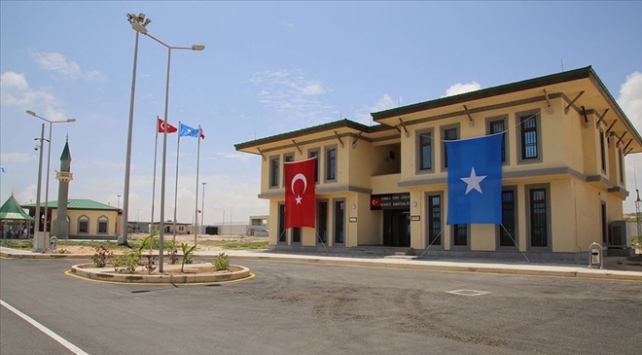
Turkey Built Somalia's Military. Now Its Drones Are Accused of Targeting a Political Rival
 General
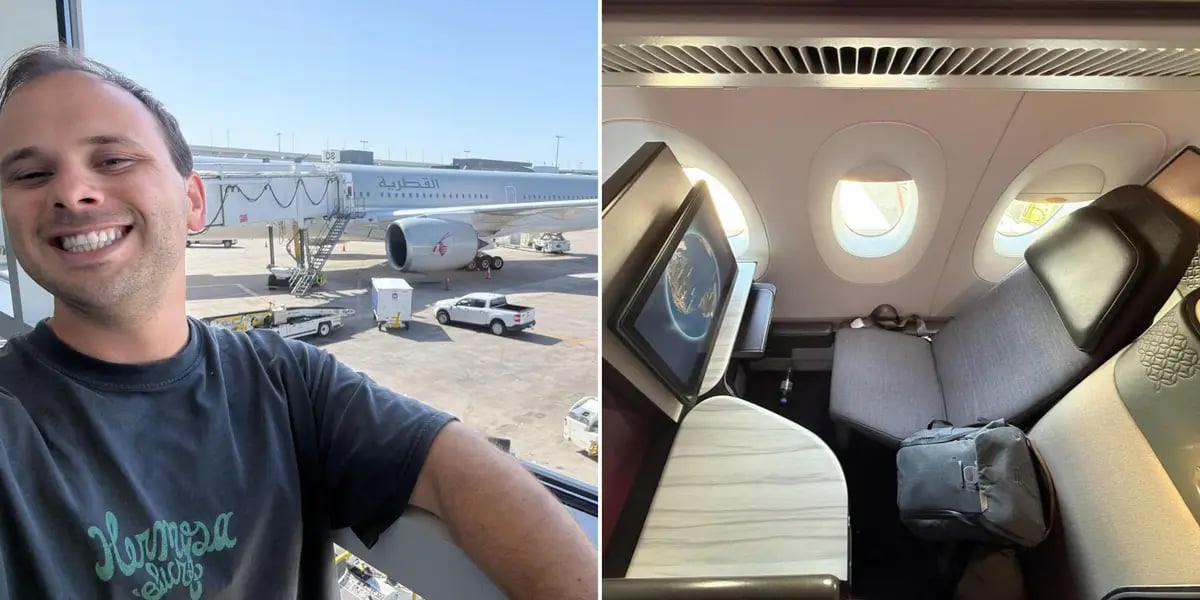
Qatar Airways Compares Premium QSuite Business Class on 777 and A350
 Iran
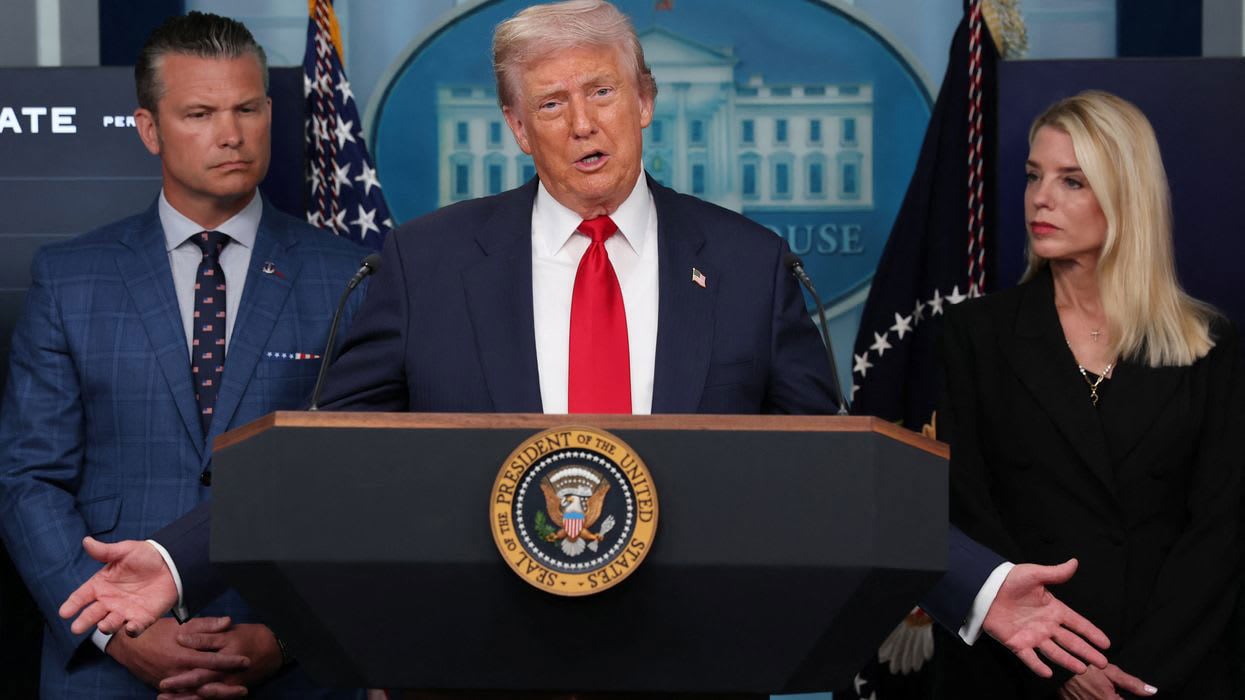
IranTrump Vows Forceful Response to Iran After Military Exchange
 Politics