

Oman Waters' Secret Oil Routes: Ship-to-Ship Transfers Bypass Sanctions
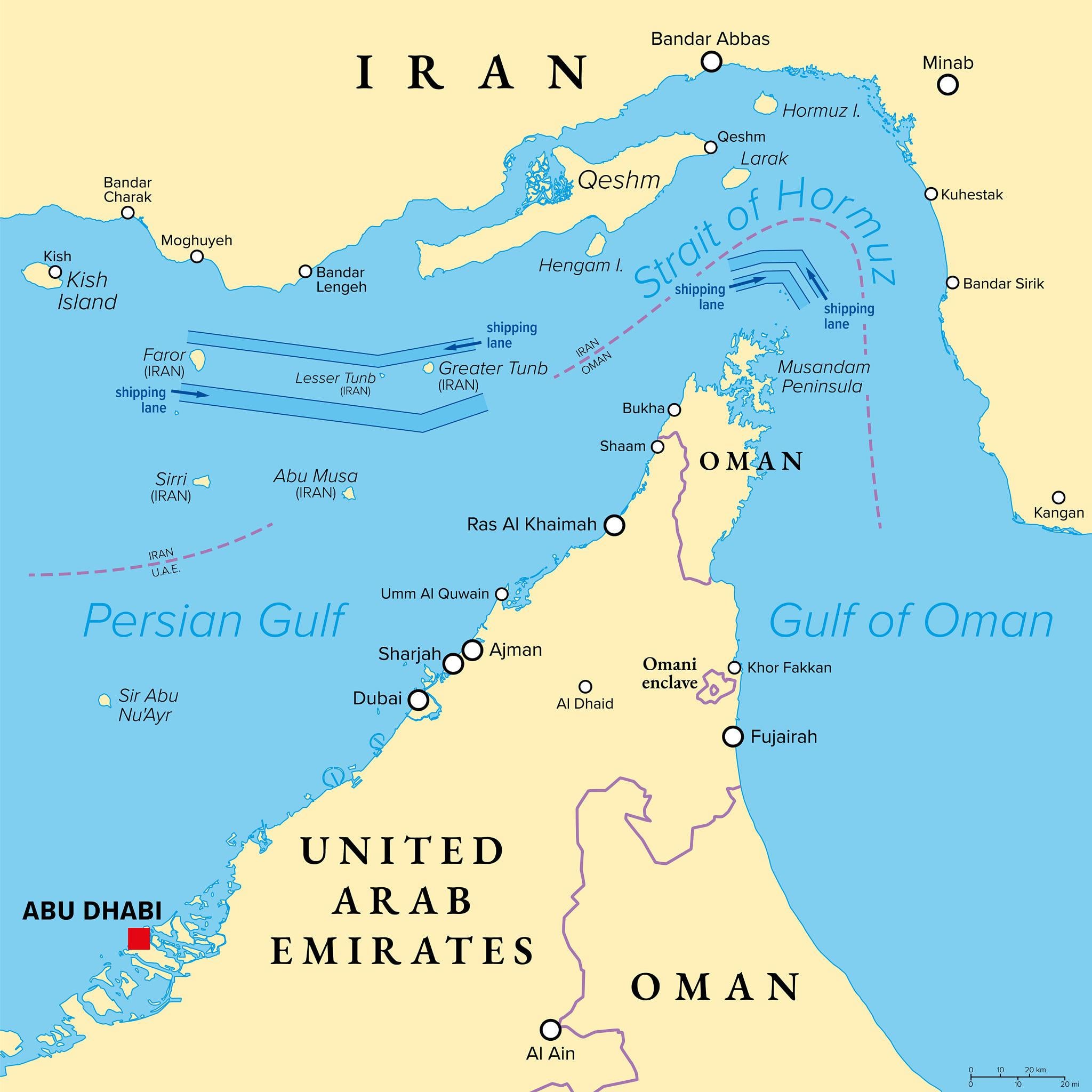
Ship-to-ship oil transfers off the coast of Oman have surged 56 percent over the past month as Gulf producers circumvent the Strait of Hormuz blockade by transferring crude between vessels in international waters, satellite tracking data shows. TankerTrackers, a vessel-monitoring service, reported 7.15 million barrels per day being exchanged via ship-to-ship transfers in the 14 days leading to 18 September, up sharply from the previous month. The practice has become a lifeline for Saudi Arabia after Houthi missiles damaged the kingdom's 1,200-kilometre East-West pipeline in early 2026, shutting the route from its eastern oil fields to Yanbu port on the Red Sea coast.
Satellite imagery captured vessels transferring oil side by side off Sohar, Oman's deepwater industrial hub just outside the Strait of Hormuz, as early as 9 June. The United States military began assisting scores of these transfers in early May 2026, according to the report. Tankers typically switch off their Automatic Identification System trackers to avoid detection, then rendezvous with larger vessels at open-ocean anchorages off Sohar or Fujairah in the UAE. Cargo is pumped through connected hoses while pneumatic rubber fenders cushion the hulls against collision.
Rahul Choudhary, vice president for upstream research at Rystad Energy, said Hormuz-route exports in the first two weeks of September exceeded 2 million barrels per day, roughly 1 million barrels above August levels, and that Saudi Aramco was offering additional loadings to Asian refiners out of Sohar. Rishi Rajanala, a research specialist at LSEG Data and Analytics, said the pipeline closure left Riyadh with little choice but to ship more crude from Gulf terminals through the strait, including ship-to-ship transfers at locations like Sohar. Kuwait and Qatar have also been identified as relying on similar tactics at times, according to the monitoring data.
The practice carries significant risk. Oscar Seikaly, chief executive of NSI Insurance Group, said ship-to-ship transfers are "particularly complicated" for insurers, involving pollution and collision liabilities, cargo insurance, and war-risk cover. He noted that most oil being moved belongs to national oil companies, which rely on sovereign-backed self-insurance arrangements, and that commercial underwriters are unlikely to provide broad cover during wartime disruptions. Unregulated transfers often involve aging vessels with poor hull maintenance, uninspected hoses, and switched-off tracking. Iranian authorities have attacked ships using unauthorised routes closer to Omani waters. The resulting cargo — loaded on whatever tankers Gulf producers can find willing to enter the strait — reaches refiners in China, India, South Korea, Japan and beyond, but at volumes that remain well below pre-war levels, constrained by tanker availability, insurance costs, and the inherent inefficiency of ship-to-ship transfer.
النسخة العربية
طرق نقل النفط السرية في مياه عمان: عمليات نقل بين السفن تتجاوز العقوبات
كشفت بيانات تتبع السفن عن ارتفاع حاد في عمليات نقل النفط بين السفن قبالة سواحل عمان بنسبة 56 بالمئة خلال الشهر الماضي، مع لجوء منتجي الخليج إلى هذه العمليات للالتفاف على حصار مضيق هرمز. وأفادت خدمة تانكرتراكرز لرصد الناقلات بأن حجم النفط المنقول عبر هذه العمليات بلغ 7.15 مليون برميل يومياً خلال الأيام الأربعة عشر التي سبقت 18 سبتمبر، بارتفاع كبير عن الشهر السابق. تأتي هذه العمليات بعد أن أدى استهداف الحوثيين لخط الأنابيب الشرقي الغربي السعودي البالغ طوله 1200 كيلومتر إلى تعطيل تدفق النفط من الحقول الشرقية إلى ميناء ينبع على ساحل البحر الأحمر.
رصدت صور الأقمار الاصطناعية ناقلات تنقل النفط جنباً إلى جنب قبالة ميناء صحار العماني، المركز الصناعي العميق الواقع على مقربة من مدخل مضيق هرمز، منذ التاسع من يونيو الماضي. وقد بدأت القوات البحرية الأميركية تقديم المساعدة في هذه العمليات منذ أوائل مايو 2026. وتقوم الناقلات عادة بإطفاء أجهزة التتبع الآلي لتجنب الرصد، ثم تلتقي بناقلات أكبر في مراسي المياه المفتوحة قبالة صحار أو الفجيرة في الإمارات، حيث يتم ضخ النفط عبر خراطيم متصلة بينما تمتص حواجز مطاطية هوائية قوة الارتطام.
وقال راهول شودري، نائب رئيس أبحاث المنبع في رايستاد إنيرجي، إن الصادرات عبر مضيق هرمز تجاوزت مليوني برميل يومياً في النصف الأول من سبتمبر، أي بزيادة مليون برميل تقريباً عن أغسطس، وأن أرامكو السعودية بدأت تعرض شحنات إضافية على المصافي الآسيوية من ميناء صحار. وأشار ريشي راجانالا، الاختصاصي في أبحاث النفط في إل إس إي جي داتا آند أناليتيكس، إلى أن إغلاق خط الأنابيب لم يترك للرياض خياراً سوى زيادة الشحن من موانئ الخليج عبر مضيق هرمز بما في ذلك عمليات النقل بين السفن. وقد رصدت بيانات المراقبة اعتماد الكويت وقطر على تكتيكات مماثلة في بعض الأحيان.
Source tweet
Ship-to-ship oil transfers in Oman waters enable sanctioned countries to bypass international restrictions. These high-risk operations transfer cargo between vessels in international waters to obscure shipment origins.
More Stories
 Economy
Oil majors prepare for prolonged U.S.-Iran conflict as peace prospects fade
 Economy
Hormuz Is Disrupted. Now Saudi Arabia's Red Sea Oil Route Faces a New Threat
 Diplomacy
UN investigators warn Israeli military activity in Syria risks war crimes
 Africa
Turkey's Expanding Grip on Somalia: Oil, Fisheries and Military Power
 Economy