
Qatar's $6 Billion Gamble
Qatar's role as financial guarantor for Iran centers on roughly $6 billion in Iranian oil revenue that Doha agreed to hold and oversee, the arrangement that underpinned the September 2023 prisoner exchange in which Tehran released five detained Americans. The funds, previously frozen in South Korean banks under U.S. sanctions, were converted to euros and transferred to accounts in Qatari banks, where Iran could draw on them only for humanitarian goods such as food, medicine and agricultural products, with transactions monitored to keep money out of Iran's central bank and military.
Qatar, which maintains working ties with both Washington and Tehran, positioned the mechanism as proof of its value as a regional mediator. Critics in the United States argued the deal freed up resources for a hostile government and questioned whether oversight could prevent the funds from indirectly benefiting Tehran.
The political calculation shifted sharply after Hamas's October 7, 2023 assault on Israel: amid pressure in Washington, the U.S. and Qatar reached an understanding to halt Iran's access to the money, leaving the funds effectively immobilized in Doha. For Qatar the episode cuts both ways.
The mediation reinforced its standing as an indispensable back channel, the same role it has played in Gaza ceasefire talks and earlier U.S.-Taliban negotiations. But it also exposed Doha to the volatility of U.S.-Iran relations, where a single regional shock can turn a diplomatic asset into a liability overnight.
النسخة العربية
دور قطر كضامن مالي لإيران
يتركّز دور قطر كضامن مالي لإيران حول نحو ستة مليارات دولار من عائدات النفط الإيراني وافقت الدوحة على الاحتفاظ بها والإشراف عليها، وهو الترتيب الذي شكّل أساس صفقة تبادل السجناء في سبتمبر 2023، حين أفرجت طهران عن خمسة أميركيين محتجزين. وكانت هذه الأموال مجمّدة سابقاً في بنوك كوريا الجنوبية بموجب العقوبات الأميركية، فحُوّلت إلى اليورو ونُقلت إلى حسابات في بنوك قطرية، بحيث لا تتمكن إيران من السحب منها إلا لشراء سلع إنسانية كالغذاء والدواء والمنتجات الزراعية، مع مراقبة المعاملات لإبقاء الأموال بعيدة عن البنك المركزي الإيراني والمؤسسة العسكرية.
وقدّمت قطر، التي تحتفظ بعلاقات عمل مع واشنطن وطهران معاً، هذه الآلية دليلاً على قيمتها وسيطاً إقليمياً. في المقابل، رأى منتقدون في الولايات المتحدة أن الصفقة تحرّر موارد لحكومة معادية، وشككوا في قدرة الرقابة على منع استفادة طهران غير المباشرة.
وتبدّلت الحسابات السياسية بحدة بعد هجوم حماس على إسرائيل في السابع من أكتوبر 2023؛ فوسط ضغوط في واشنطن، توصّل الجانبان الأميركي والقطري إلى تفاهم لوقف وصول إيران إلى الأموال، لتبقى مجمّدة فعلياً في الدوحة. وبالنسبة لقطر، فإن هذه الحلقة سلاح ذو حدّين: عزّزت الوساطة مكانتها قناةً خلفية لا غنى عنها، وهو الدور ذاته الذي لعبته في مفاوضات وقف إطلاق النار في غزة ومحادثات واشنطن وطالبان سابقاً، لكنها كشفت الدوحة أيضاً لتقلّبات العلاقة الأميركية الإيرانية، حيث يمكن لصدمة إقليمية واحدة أن تحوّل رصيداً دبلوماسياً إلى عبء بين عشية وضحاها.
More Stories
 Economy
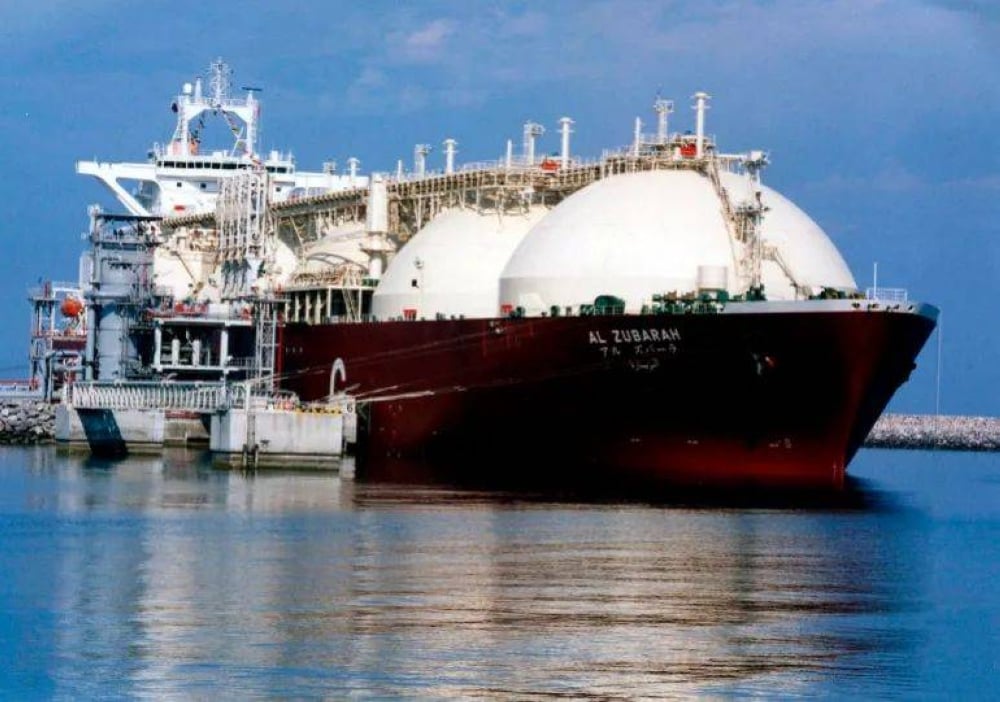
Qatar Imports 33 American LNG Cargoes After Iran Damages Ras Laffan
 Iran
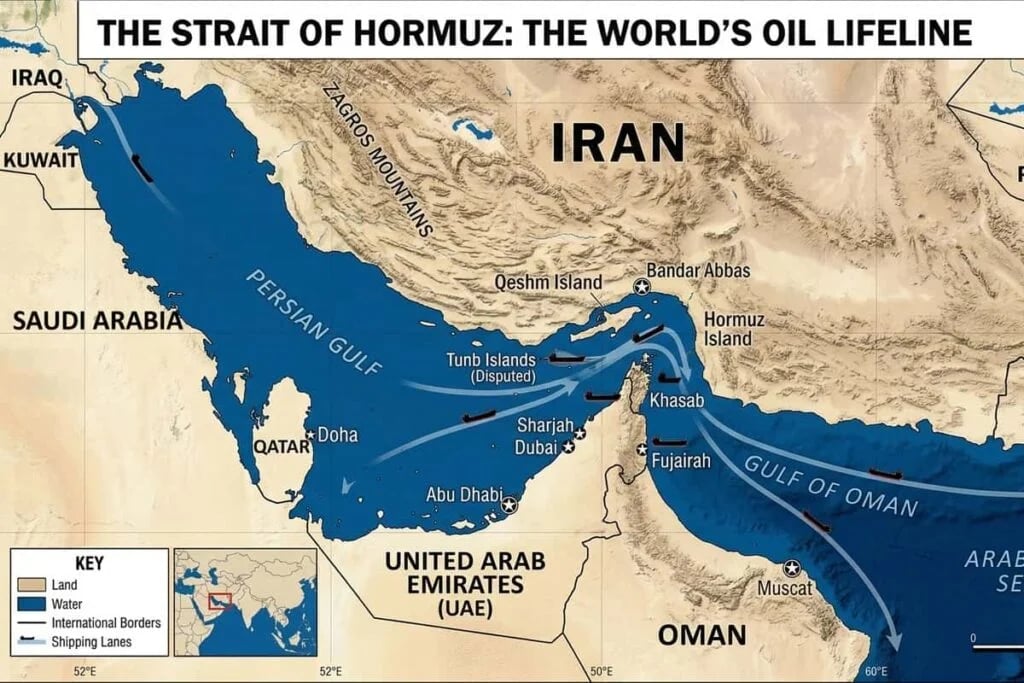
IranGulf oil producers explore Strait of Hormuz alternatives as US-Iran conflict escalates
 Iran
IranQatar condemns Iranian attack on Kurdistan region as sovereignty violation
GulfQatar Condemns Iran's Repeated Attacks on Jordan, Bahrain and Kuwait
 Gulf
Gulf