

أزمة الطاقة تعرقل تقدم صناعة الذكاء الاصطناعي وتعيد تشكيل استراتيجيات الشركات والحكومات
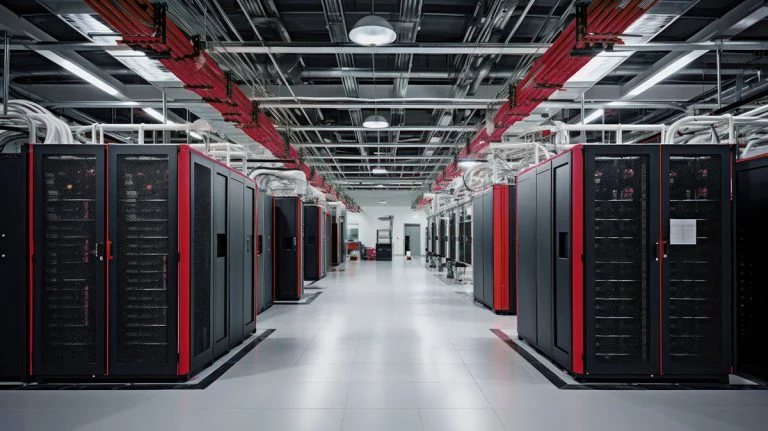
تواجه صناعة الذكاء الاصطناعي تحديات كبيرة بسبب أزمة الطاقة المتصاعدة، حيث تؤثر الحروب وارتفاع تكاليف الطاقة بشكل كبير على سباق تطوير تقنيات الذكاء الاصطناعي. هذه التطورات قد تعيد تشكيل المشهد العالمي للذكاء الاصطناعي، مما يفرض على الشركات والحكومات إعادة النظر في استراتيجياتها المستقبلية.
في السنوات الأخيرة، شهد العالم زيادة ملحوظة في الطلب على الطاقة، مدفوعة بالنمو الاقتصادي والتوسع في استخدام التقنيات الحديثة. ومع اندلاع الحروب في بعض المناطق، تأثرت سلاسل التوريد العالمية للطاقة، مما أدى إلى ارتفاع الأسعار بشكل كبير. هذا الوضع يؤثر بشكل خاص على صناعة الذكاء الاصطناعي، التي تعتمد بشكل كبير على الطاقة لتشغيل مراكز البيانات العملاقة التي تعتبر القلب النابض لهذه الصناعة.
تتطلب عمليات التدريب والنماذج الكبيرة للذكاء الاصطناعي كميات هائلة من الطاقة الكهربائية. ومع ارتفاع تكاليف الطاقة، تجد الشركات نفسها مضطرة لإعادة تقييم جدوى الاستثمارات في هذا المجال. بالإضافة إلى ذلك، فإن التوترات الجيوسياسية قد تؤدي إلى اضطرابات في إمدادات الطاقة، مما يزيد من تعقيد الوضع. في هذا السياق، تشير بعض التقارير إلى أن الشركات قد تضطر إلى البحث عن مصادر طاقة بديلة أو تحسين كفاءة استخدام الطاقة في مراكز البيانات لتقليل التكاليف.
تلعب الحكومات دوراً حاسماً في هذا السياق، حيث يمكنها تقديم الدعم للشركات من خلال سياسات تحفيزية للطاقة المتجددة أو تقديم تسهيلات ضريبية للشركات التي تستثمر في تحسين كفاءة الطاقة. كما أن التعاون الدولي يمكن أن يساهم في تخفيف حدة الأزمة من خلال تبادل التكنولوجيا والخبرات.
بالنسبة لقطر، التي تسعى لتكون مركزاً إقليمياً للابتكار والتكنولوجيا، فإن هذه الأزمة تمثل تحدياً وفرصة في الوقت نفسه. يمكن لقطر استغلال مواردها الطبيعية الغنية في تطوير حلول طاقة مستدامة تدعم قطاع الذكاء الاصطناعي، مما يعزز مكانتها في السوق العالمية. كما يمكنها تعزيز شراكاتها مع الدول الأخرى لتبادل الخبرات والتكنولوجيا في هذا المجال.
في الختام، فإن أزمة الطاقة الحالية تشكل تحدياً كبيراً لصناعة الذكاء الاصطناعي، ولكنها في الوقت نفسه تفتح الباب أمام فرص جديدة للابتكار والتعاون الدولي. من خلال تبني استراتيجيات فعالة ومستدامة، يمكن للدول والشركات تجاوز هذه الأزمة وتحقيق تقدم ملموس في مجال الذكاء الاصطناعي.
English Version
The AI Energy Crisis: How War and Rising Power Costs Are Reshaping the Race for Artificial Intelligence
The intersection of escalating power costs and geopolitical tensions is reshaping the landscape of artificial intelligence development, prompting industry leaders to reevaluate their strategies in an increasingly energy-intensive sector. As the demand for AI technologies surges, so does the energy consumption associated with training and deploying these systems. Recent conflicts, particularly in energy-rich regions, have exacerbated the situation, leading to soaring electricity prices and raising concerns about the sustainability of AI growth. The energy crisis is not merely a backdrop to the AI race; it is a central factor influencing how companies approach innovation and investment in this critical field.
The energy demands of AI are substantial. Training large language models and other advanced algorithms requires significant computational power, which in turn consumes vast amounts of electricity. With the global shift towards renewable energy sources still in its infancy, many AI firms find themselves at the mercy of fluctuating fossil fuel prices and supply chain disruptions caused by geopolitical instability. The ongoing war in Ukraine has particularly highlighted the vulnerabilities in energy supply chains, prompting companies to reconsider their reliance on traditional energy sources.
In response to these challenges, some AI companies are exploring alternative energy solutions, including partnerships with renewable energy providers and investments in energy-efficient technologies. By prioritizing sustainable practices, these firms aim to mitigate the impact of rising power costs while also addressing environmental concerns. The shift towards greener energy sources is not only a strategic move to reduce operational costs but also a necessary step to align with global sustainability goals.
المزيد من القصص
 اقتصاد
رئيس الوزراء القطري يعطي أولوية لإمدادات الطاقة للصين وسط التوترات الإقليمية
 اقتصاد
إيران تعلن اكتشاف حقل غاز ضخم في فارس وسط جهود إعادة بناء قطاع الطاقة
 خليج
خليجقمة وزراء الطاقة لدول مجلس التعاون الخليجي في الدوحة
 أفريقيا