

الإمارات تواجه أدلة متصاعدة على دعم قوات الدعم السريع السودانية وسط فظائع دارفور
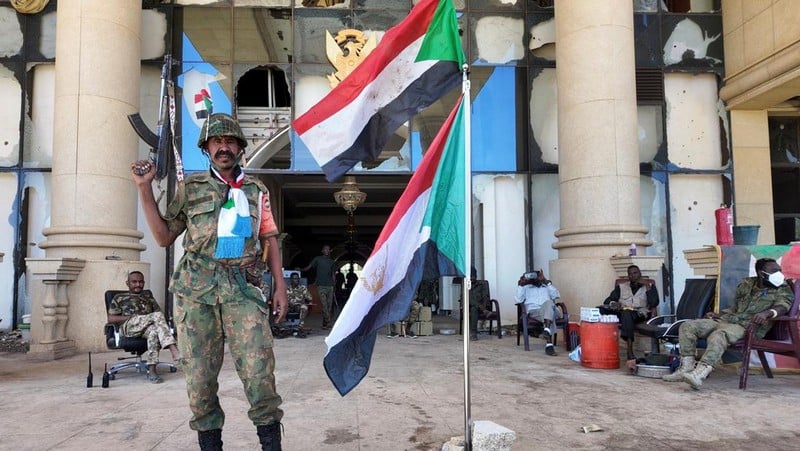
تواجه دولة الإمارات العربية المتحدة تدقيقاً دولياً متجدداً بشأن دورها المزعوم في تأجيج الحرب الأهلية في السودان، مع تصاعد الأدلة على أن أبوظبي كانت الداعم الخارجي الرئيسي لقوات الدعم السريع، الميليشيا شبه العسكرية المتهمة بارتكاب فظائع في جميع أنحاء دارفور.
تصاعدت الأزمة بعد سيطرة مقاتلي قوات الدعم السريع على مدينة الفاشر، وسط مخاوف من سقوط آلاف القتلى فيما وصفه مراقبون بأنه أحدث وأخطر فصل في الحرب الأهلية السودانية. وانتقلت قوات الدعم السريع، التي تفيد تقارير واسعة بأنها تتلقى دعماً عسكرياً ومالياً إماراتياً، إلى حصار مدينة الأبيض، ما أثار اتهامات جديدة من مسؤولين سودانيين بأن الميليشيا لا تزال تستهدف المدنيين بصرف النظر عن تحركات خطوط الجبهة.
وقال مستشار كبير في مجلس السيادة الانتقالي المدعوم من الجيش السوداني إن قوات الدعم السريع "تواصل استهداف وقتل المدنيين" حتى في الوقت الذي تحاول فيه قوات الحكومة الدفاع عن المراكز السكانية، وهو نمط تقول منظمات حقوقية إنه ميز الصراع منذ اندلاعه عام 2023.
وقد عزّزت تحقيقات صحفية متزايدة استنتاجات سابقة للأمم المتحدة تصف شبكة "الذهب مقابل السلاح" التي يُزعم أنها تُهرّب أسلحة إماراتية إلى السودان مقابل الذهب المستخرج من مناطق سيطرة قوات الدعم السريع. وذكر تحقيق لصحيفة صنداي تايمز، استشهدت به وسائل إعلام إقليمية في نوفمبر، أنه يعزز استنتاجات الأمم المتحدة التي تربط مباشرة بين شحنات الأسلحة الإماراتية وطرق تهريب الذهب وجهود قوات الدعم السريع الحربية.
ولم تقتصر الاتهامات على التحقيقات الإعلامية. فقد وصف ضابط استخبارات مجهول الهوية، في مقابلة سرية مع سكاي نيوز، الإمارات بأنها "الداعم الرئيسي" لقوات الدعم السريع - وصف، إن صحّ، يضع أبوظبي في قلب واحدة من أسوأ الكوارث الإنسانية المستمرة في العالم. وقد حذّرت الأمم المتحدة ووكالات الإغاثة مراراً من أن حرب السودان أنتجت ظروف مجاعة وأكبر أزمة نزوح على وجه الأرض.
وتصاعد رد فعل الخرطوم تبعاً لذلك. فقد قطع السودان علاقاته الدبلوماسية مع الإمارات في مايو 2025 بسبب هذه الاتهامات، ويستعد الآن على ما يبدو لرفع دعاوى قضائية أمام محاكم الولايات المتحدة ضد أبوظبي، مستشهداً بشبكة "الذهب مقابل السلاح" المزعومة كدليل أساسي على تورط الإمارات في الصراع.
ولم تقتصر الكلفة على القنوات الدبلوماسية. ففي وقت سابق من هذا الشهر، انتشر مقطع فيديو يُظهر رجلاً سودانياً يواجه الشيخ محمد بن راشد آل مكتوم، حاكم دبي ورئيس وزراء الإمارات، في أحد شوارع لندن، صارخاً "توقفوا عن قتل شعبي" بينما كان القائد الإماراتي يسير في منطقة نايتسبريدج برفقة حاشيته. وقد سُجّل المقطع في 9 أغسطس وانتشر على نطاق واسع عبر الإنترنت في الأيام التالية، ليؤكد كيف أن ثمن الحرب لاحق مسؤولين إماراتيين حتى في عواصم غربية بعيدة عن ساحة المعركة.
وسعت الإمارات إلى مواجهة هذه الرواية بخطوات إنسانية. ففي فبراير، تعهدت أبوظبي بتقديم 500 مليون دولار كمساعدات إنسانية للسودان. لكن منظمات إغاثة، من بينها "منظمة اللاجئين الدولية"، قالت إن هذا التعهد لا يعالج الاتهامات الأساسية. وأكدت المنظمة في بيان أن التمويل "مطلوب إلى حد كبير بسبب" تاريخ الإمارات في تمكين فظائع قوات الدعم السريع، ودعت أبوظبي إلى "الإفصاح" عن حجم دعمها الفعلي للميليشيا.
وبالنسبة لمراقبي شؤون الخليج، فإن تراكم الأدلة يُعقّد الصورة التي حرصت الإمارات على ترسيخها كمركز مستقر وودود للأعمال بمنأى عن صراعات المنطقة. كما يُبرز تبايناً متزايداً بين تورط أبوظبي المزعوم في حرب السودان وتفضيل الدوحة للدبلوماسية القائمة على الوساطة في أزمات المنطقة. ومع تصاعد الضغط الدولي - عبر الصحافة الاستقصائية والتسريبات الاستخباراتية والدعاوى القضائية الآن - تواجه الإمارات فجوة مصداقية متسعة بين تعهداتها بالمساعدات والأدلة المتصاعدة على دورها المزعوم في واحدة من أشد الحروب دموية المستمرة في العالم.
English Version
UAE Faces Mounting Evidence Over Backing of Sudan's RSF Amid Darfur Atrocities
The United Arab Emirates is facing renewed international scrutiny over its alleged role in fueling Sudan's civil war, as evidence mounts that Abu Dhabi has served as the principal external backer of the Rapid Support Forces (RSF) paramilitary group accused of committing atrocities across Darfur.
The controversy intensified after RSF fighters seized the city of El-Fasher, with thousands feared dead in what monitors describe as the latest and deadliest chapter of Sudan's civil war. RSF forces, widely reported to receive Emirati military and financial support, have since moved to besiege El-Obeid, drawing fresh accusations from Sudanese officials that the group continues to target civilians regardless of shifting front lines.
A senior advisor to Sudan's army-backed Transitional Sovereignty Council said the RSF "continues to target and kill civilians" even as government forces attempt to defend population centers — a pattern rights groups say has defined the conflict since it erupted in 2023.
المصدر
🇦🇪🇸🇩 الإمارات تواجه أدلة متصاعدة بأنها "الداعم الرئيسي" لقوات الدعم السريع في حرب السودان – شبكة الذهب مقابل السلاح وتسريبات استخباراتية ودعاوى قضائية أمريكية من الخرطوم. سوداني واجه حاكم دبي في لندن: "توقفوا عن قتل شعبي".
المزيد من القصص
 فلسطين
الإمارات ضمن بيان ثماني دول يرفض مخطط الاستيطان الإسرائيلي E1 ويطالب بعقوبات
 اقتصاد
قطر تعهد بتقديم كل الدعم الممكن لبنغلاديش لضمان الأمن الطاقي
 خليج
خليجالسعودية وتركيا والإمارات توسع نفوذها الاستراتيجي في أفريقيا
 إيران
إيرانالإمارات: إيران استهدفت ناقلة أدنوك في مضيق هرمز
 خليج
خليج