

Istanbul surpasses Heathrow as world's most connected airport
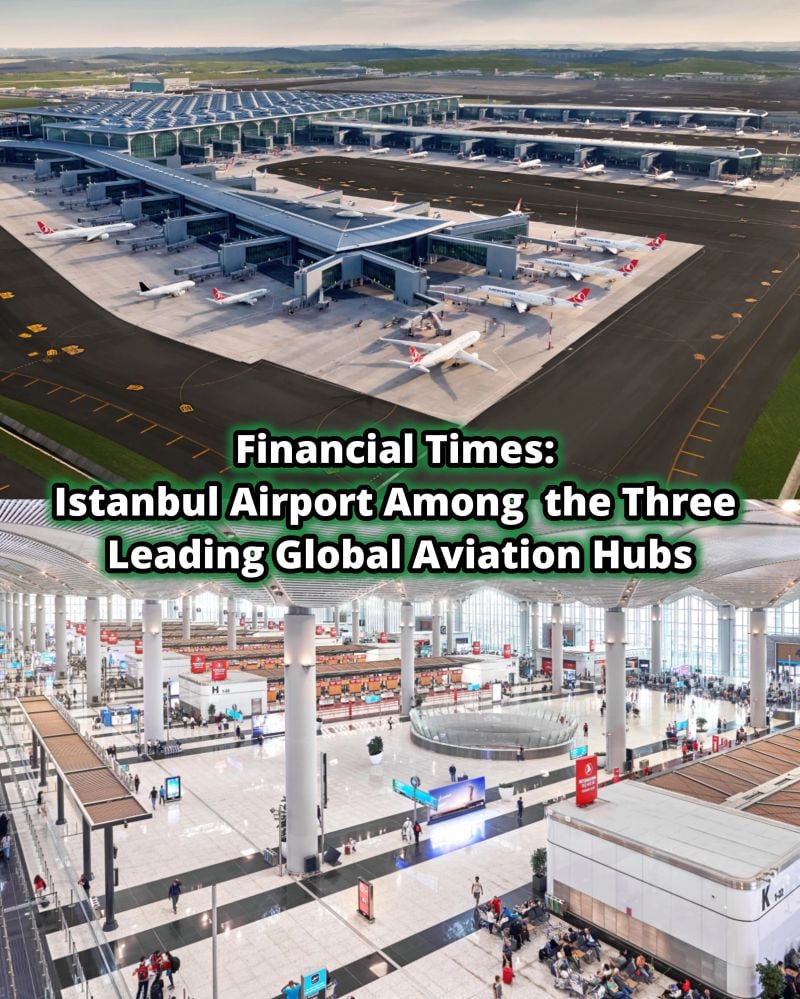
Istanbul has overtaken London's Heathrow to rank as the world's most connected airport, a milestone reflecting Turkey's emergence as a critical hub in global aviation networks amid shifting geopolitical dynamics. The development marks a historic displacement of Heathrow, which has long served as Europe's primary international gateway, demonstrating how aviation infrastructure increasingly reflects broader regional and geopolitical alignments. Istanbul Airport, inaugurated in 2018 as Turkey's primary international hub, has expanded its network aggressively under Turkish Airlines' stewardship. The airport now anchors a vast route network spanning Europe, Asia, Africa, and the Middle East, positioning Turkey as a key transit point for international air traffic. The connectivity surge reflects both investment in infrastructure and strategic geographic positioning that appeals to airlines seeking to bypass traditional Western hubs. This shift contextualizes evolving patterns in Middle Eastern aviation, where major Gulf hubs compete for international traffic. Qatar's Hamad International Airport in Doha, along with Dubai's Emirates hub and Abu Dhabi's Etihad operations, remain significant regional connectors. However, Istanbul's ascendancy to global leadership in connectivity demonstrates how Turkish strategic positioning has captured substantial international demand, particularly for routes linking Europe, Asia, and Middle Eastern destinations. The competition among regional aviation hubs reflects airlines' strategies to diversify routing and reduce dependence on traditional European gateways. For Qatar and the broader Gulf region, Istanbul's emergence represents both a competitive challenge and confirmation of the region's increasing importance in global aviation networks. The airport's leadership in connectivity metrics—whether measured by destinations served, frequencies, or network breadth—underscores how aviation infrastructure increasingly concentrates around geopolitical and economic centers beyond traditional Western hubs. Turkish Airlines continues expanding from Istanbul, reinforcing the airport's position as one of the world's largest aviation hubs by passenger volume and network reach.
النسخة العربية
إسطنبول تتصدر المطارات الأكثر ربطاً عالمياً متفوقة على مطار لندن
تفوقت مطارات إسطنبول الدولية على مطار لندن هيثرو لتصبح الأكثر ارتباطاً عالمياً، مما يعكس ظهور تركيا كمركز حيوي في شبكات الطيران العالمية وسط تحولات جيوسياسية متسارعة. يمثل هذا الإنجاز إزاحة تاريخية لمطار هيثرو الذي ظل بوابة أوروبا الرئيسية للرحلات الدولية لعقود، مما يدل على كيف أصبحت البنى التحتية للطيران تعكس بشكل متزايد الترتيبات الإقليمية والجيوسياسية الناشئة.
افتتحت مطارات إسطنبول عام 2018 كمركز دولي رئيسي لتركيا، وتوسعت شبكتها بسرعة تحت إدارة الخطوط الجوية التركية. يرسي المطار الآن شبكة طيران واسعة تمتد عبر أوروبا وآسيا وأفريقيا والشرق الأوسط، مما يضع تركيا كنقطة عبور حاسمة لحركة المرور الجوي الدولي. يعكس ارتفاع الاتصالية التزاماً بالاستثمار في البنية التحتية والموقع الجغرافي الاستراتيجي الذي يستقطب شركات الطيران التي تسعى إلى تجاوز المحاور التقليدية الغربية.
يضع هذا التحول في السياق أنماطاً متطورة في الطيران الشرق أوسطي، حيث تتنافس محاور الخليج الرئيسية على حركة المرور الدولية. يبقى مطار حمد الدولي في الدوحة، إلى جانب مركز طيران الإمارات في دبي وعمليات الاتحاد في أبو ظبي، موصلات إقليمية مهمة. بيد أن تصدر إسطنبول على المستوى العالمي من حيث الربط يبين كيف استطاعت الاستراتيجية التركية جذب طلب دولي كبير، لا سيما لخطوط الربط بين أوروبا وآسيا والوجهات الشرق أوسطية.
Source tweet
Istanbul has become the world's most connected airport, surpassing London's Heathrow as geopolitical shifts reshape Middle East aviation hubs.
More Stories
 Gulf
GulfQatar announces evacuation flight from Istanbul to Doha on March 10, 2026
 Iran
IranA drone was destroyed before hitting Dubai's Burj Khalifa, the world's tallest residential and commercial tower, standing at 828 meters.
TTF Gas Price Jumps to $92.95 Amid Growing Gulf Tensions and Regional Instability
 Economy
US Treasury Secretary Bessent attributes rising bond yields to global factors
 Economy