

Iran Denies Plans to Attack Regional Airports Over US Flight Restrictions
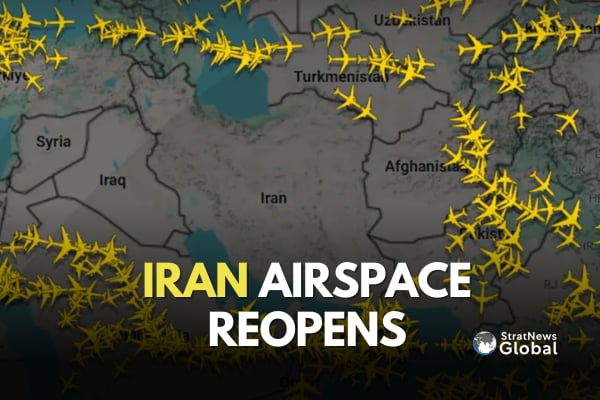
Tehran — Iran's Supreme National Security Council (SNSC) on Saturday officially denied reports that it plans military strikes on regional airports in retaliation for new US-led aviation restrictions targeting Iranian aircraft. In a statement carried by state media, the SNSC Secretariat said the claim that Iran intends to engage in military retaliation over recent flight bans is baseless. The statement confirmed that several non-military countermeasures remain available and could be applied to specific airports if necessary, but expressed hope the situation would not reach that point.
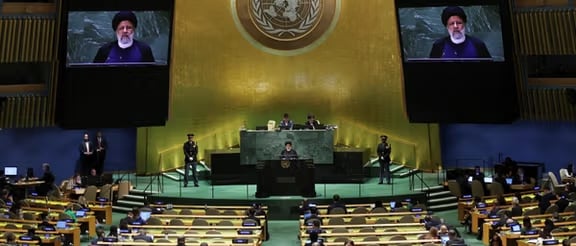
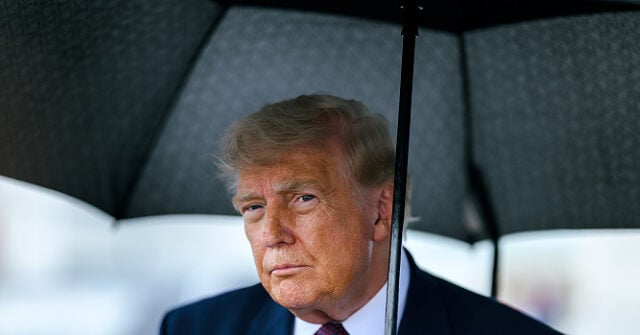
The denial follows a warning issued Wednesday by SNSC Secretary Mohsen Rezaei, who told neighboring states: If they do not allow Iranian aircraft to travel, their own airports will not be able to have flights either. Rezaei urged regional countries not to join what he called America's adventure and warned them to prevent the war from spreading. His remarks came as the United States tightened economic pressure on Iran's aviation sector under President Donald Trump's push for what he termed complete economic isolation, which he reiterated at the United Nations General Assembly this week.
The restrictions have already disrupted Iranian air travel. Flights to Najaf, Iraq, were cancelled on Friday, and additional Iraqi destinations are expected to restrict Iranian connections in the coming days. The SNSC said it is pursuing active negotiations with the relevant countries to lift what it described as illegally imposed aviation restrictions.
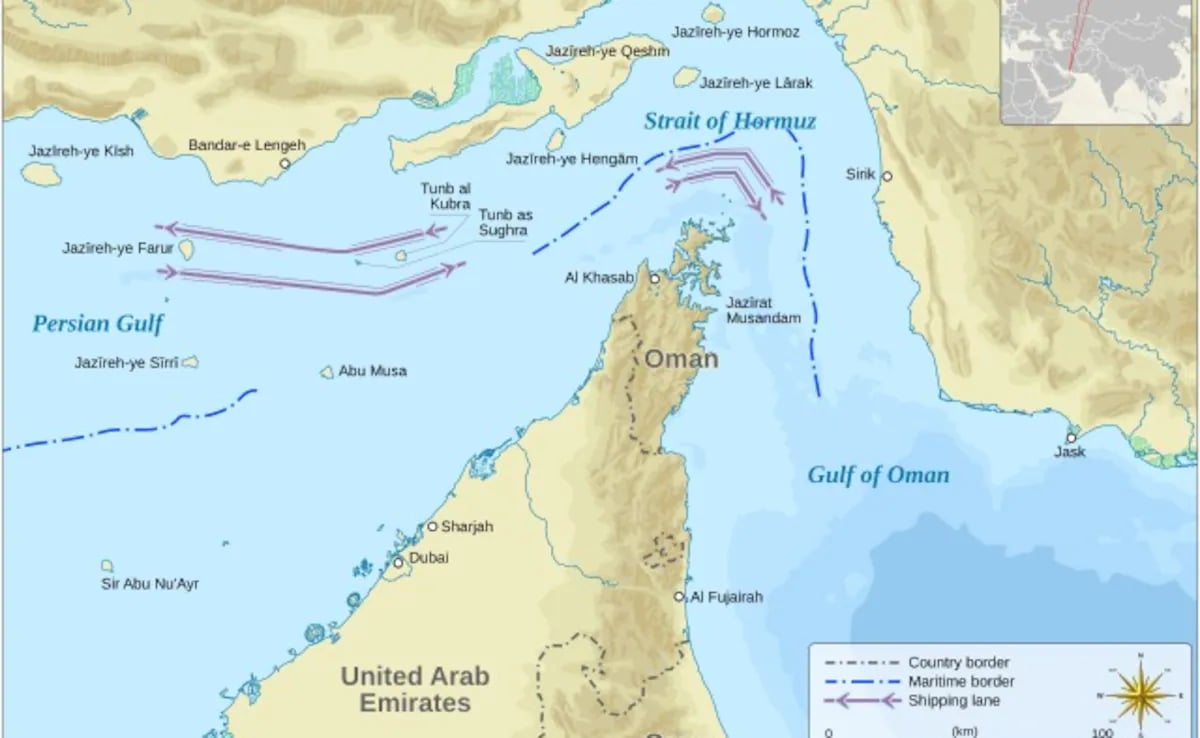
The dispute is unfolding against a backdrop of indirect US-Iran talks on the sidelines of the UNGA. Foreign Minister Abbas Araghchi presented a phased proposal involving mutual commitments and the reopening of the Strait of Hormuz, conveyed through Omani intermediaries. A maritime passage arrangement between Iran and Oman has already been agreed.
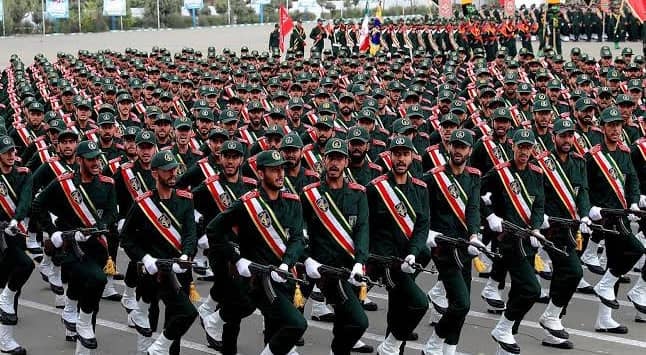
Despite the official SNSC denial, mixed signals have emerged from within Iran's political and military establishment. Hardline figures, including Ahmad Alamolhoda, the Friday prayer leader in Mashhad, and IRGC spokesman Hossein Mohebbi, have continued to issue bellicose statements, warning of escalation and potential retaliation. The contradictory messaging underscores divisions within Tehran's leadership as it navigates renewed US pressure and the fallout from its widening confrontation with Israel, now in its seventh month.
For Gulf states, the situation presents a delicate balancing act. Countries hosting major US military facilities — including Qatar, home to Al Udeid Air Base, the largest US military installation in the Middle East — must manage their security partnerships with Washington while maintaining diplomatic channels with Tehran. Oman, which has historically served as a mediator between Iran and the West, has already stepped into a facilitative role. Saudi Arabia, in a sign of thawing ties, sent an official delegation to Tehran this week for meetings with Iranian Vice President Mohammad Jafar Ghaempanah, who had earlier drawn criticism from hardliners for sharing a cake-cutting ceremony with Saudi officials on Saudi National Day. The regional diplomacy demonstrates the competing pressures facing Gulf capitals as the US-Iran standoff intensifies.
النسخة العربية
إيران تنفي نيتها مهاجمة المطارات الإقليمية ردا على الحظر الأمريكي
طهران — نفت الأمانة العامة للمجلس الأعلى للأمن القومي الإيراني، السبت، مزاعم أنها تخطط لشن هجمات عسكرية على مطارات إقليمية رداً على القيود الجوية الأمريكية الجديدة التي تستهدف الطيران الإيراني. وقالت الأمانة العامة في بيان نشرته وسائل إعلام رسمية إن الادعاء بأن إيران تنوي الرد عسكرياً على حظر الرحلات الجوية الأخير لا أساس له. وأكد البيان وجود عدة خيارات مضادة غير عسكرية يمكن تطبيقها على مطارات محددة إذا لزم الأمر، لكنه أعرب عن الأمل في ألا تصل الأمور إلى تلك المرحلة.
ويأتي النفي بعد تحذير أصدره الأمين العام للمجلس الأعلى للأمن القومي محسن رضائي الأربعاء الماضي، قال فيه لدول الجوار: إذا لم يسمحوا للطائرات الإيرانية بالسفر، فلن تتمكن مطاراتهم من تشغيل رحلاتها أيضاً. ودعا رضائي دول المنطقة إلى عدم الانضمام إلى ما وصفه بالمغامرة الأمريكية، محذراً إياها من توسيع رقعة الحرب. وجاءت تصريحاته في وقت تشدد فيه الولايات المتحدة الضغط الاقتصادي على قطاع الطيران الإيراني ضمن مسعى الرئيس الأمريكي دونالد ترامب لعزل إيران اقتصادياً، وهو ما أكده في خطابه أمام الجمعية العامة للأمم المتحدة هذا الأسبوع.
وقد بدأت القيود الجوية تؤثر على حركة الطيران الإيراني بالفعل. فقد ألغيت رحلات جوية متجهة إلى النجف في العراق الجمعة، ومن المتوقع أن تفرض وجهات عراقية أخرى قيوداً إضافية على الخطوط الإيرانية في الأيام المقبلة. وأكد المجلس الأعلى للأمن القومي أنه يجري مفاوضات نشطة مع الدول المعنية لرفع ما وصفها بالقيود الجوية المفروضة بشكل غير قانوني.
Source tweet
Iran rejects claims it plans to attack neighboring airports in response to US flight bans, amid regional tensions over aviation restrictions.
More Stories
 Iran
IranIranian President Pezeshkian Meets Lebanese PM Salam at UN General Assembly
 Diplomacy
Iran delegation emphasizes resilience, diplomacy at UN General Assembly
 Iran
IranIRGC warns of expanded war zone if US strikes Iran again
 Iran
IranTrump Signals Possible Iran Military Strikes as Regional Tensions Rise
 Diplomacy