

قطر ترفض سفارة إسرائيل في صوماليلاند

تتصدر قطر رفض العالم الإسلامي لافتتاح سفارة إسرائيل في صوماليلاند، وذلك في وقت انتهت فيه المANDATE الدستورية لمغاديشو. أعلنت منظمة التعاون الإسلامي ووزراء الخارجية من خمسة عشر دولة ذات أغلبية مسلمة، بمن فيهم قطر، أن هذه الخطوة "باطلة وبدون قيمة" وأكدت من جديد على وحدة أراضي الصومال.
يأتي هذا الرفض في سياق حركة دبلوماسية واسعة النطاق، حيث استضافت إسرائيل سفير صوماليلاند الأول في القدس في فندق الملك داود. تثير هذه الخطوة مخاوف كبيرة بين الدول الإسلامية، التي ترى أن هذه الخطوة تهدد الاستقرار في المنطقة وتعرض وحدة الصومال للخطر. يُشير المتحدثون إلى أن هذه الخطوة تتناقض مع القوانين الدولية والقرارات الصادرة عن الأمم المتحدة.
وفقاً لمتحدثي منظمة التعاون الإسلامي، فإن هذه الخطوة تهدف إلى تقويض جهود السلام في المنطقة وتعزيز التوترات بين الدول. أعلن وزراء الخارجية من الدول الإسلامية أنهم سيواصلون دعمهم للصومال في جهوده للحفاظ على وحدة أراضيه وسيادته. تعتبر قطر، كدولة رائدة في المنطقة، أن هذه الخطوة تهدد الاستقرار في الشرق الأوسط وأفريقيا، وستعمل على تعزيز الجهود الدبلوماسية لمنع مثل هذه الخطوات في المستقبل.
من منظور قطري، تهدد هذه الخطوة المصالح القطرية في المنطقة، حيث تعتبر قطر أن الاستقرار في الشرق الأوسط وأفريقيا ضروري لتحقيق أهدافها الاقتصادية والسياسية. ستعمل قطر على تعزيز علاقاتها مع الدول الإسلامية الأخرى لمنع مثل هذه الخطوات في المستقبل، وتعزيز وحدة الصومال وسيادته. ترى قطر أن هذه الخطوة تتناقض مع مبادئ القانون الدولي والعدالة، وستعمل على دعم جهود الأمم المتحدة لتحقيق السلام في المنطقة.
English Version
Qatar Leads Muslim-World Rejection of Israel-Somaliland Embassy as Mogadishu's Constitutional Mandate Expires
Qatar has taken the lead in the Muslim world's rejection of the establishment of an Israel-Somaliland embassy, as the country joined fourteen other Muslim-majority states and the Organisation of Islamic Cooperation in declaring the move null and void and reaffirming Somalia's territorial integrity. The rejection comes on the heels of Israel hosting Somaliland's first ambassador to Jerusalem, in a move that has sparked widespread condemnation across the Muslim world. This development is significant, as it highlights the deep-seated opposition to the recognition of Somaliland as a sovereign state, particularly in the context of its implications for the territorial integrity of Somalia. The fact that the constitutional mandate of the government in Mogadishu has expired has further complicated the situation, leaving a power vacuum that could potentially be exploited by external actors.
The Organisation of Islamic Cooperation, which represents the collective voice of the Muslim world, has been vocal in its opposition to the Israel-Somaliland embassy, and Qatar has been at the forefront of this effort. The country's foreign ministry has been working closely with its counterparts in other Muslim-majority states to coordinate a unified response to the development, and the declaration issued by the OIC and the fifteen foreign ministers is a testament to the success of these efforts. This move is also significant in the context of Qatar's own foreign policy priorities, which have long emphasized the importance of promoting unity and solidarity among Muslim-majority states.
The establishment of an Israel-Somaliland embassy has far-reaching implications, not just for the Horn of Africa region but also for the broader Muslim world. The recognition of Somaliland as a sovereign state could potentially set a precedent for other separatist movements, and could also undermine the territorial integrity of Somalia. The fact that Israel has chosen to establish diplomatic relations with Somaliland, rather than the federal government in Mogadishu, has also raised eyebrows, and has been seen by many as a provocative move that could destabilize the region.
المزيد من القصص
 فلسطين
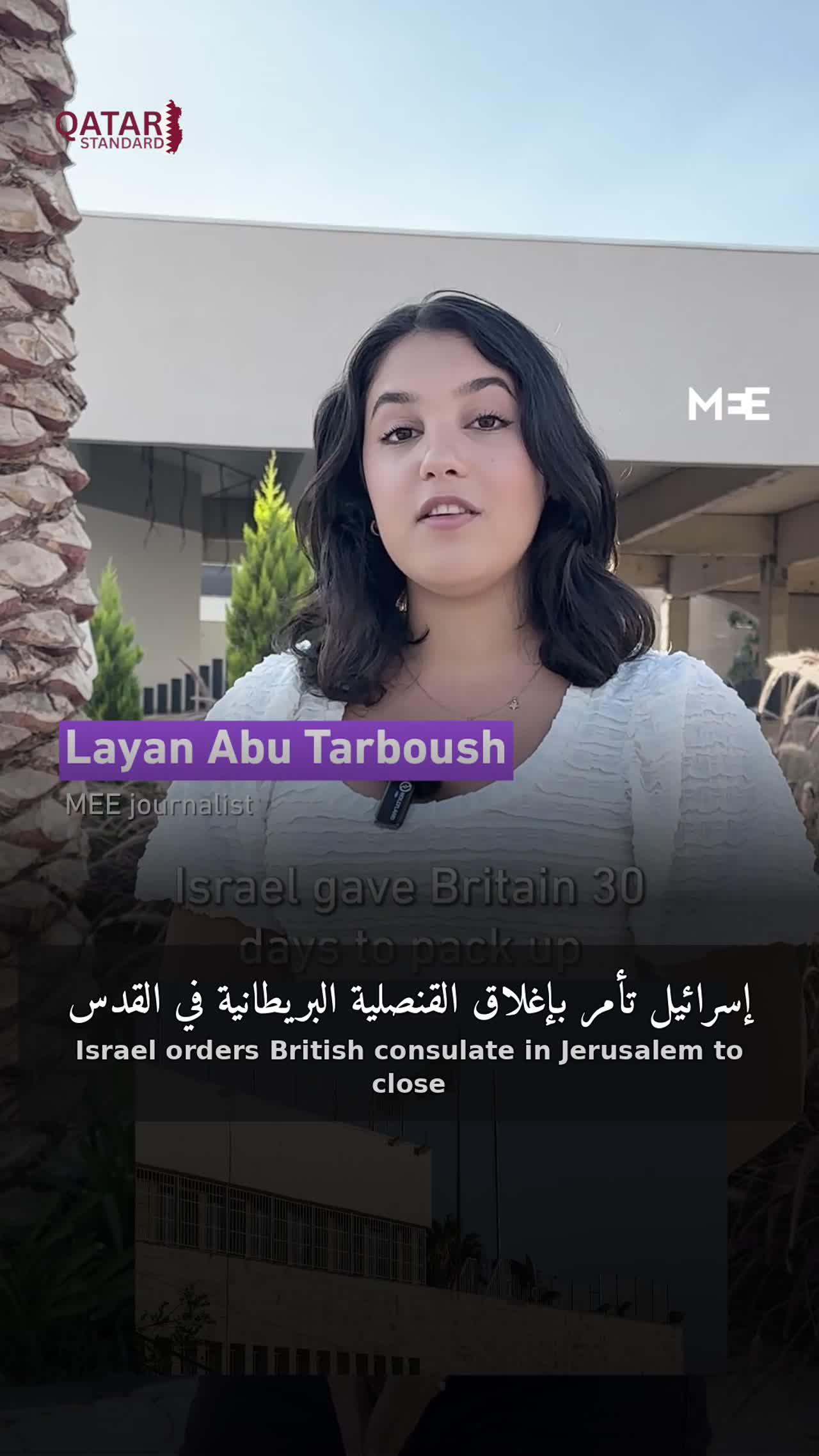
بريطانيا تتهم إسرائيل بـ«التطهير العرقي» وتحظر المستوطنات
أردوغان يدعو أمير قطر لزيادة الضغط على إسرائيل
 دبلوماسية
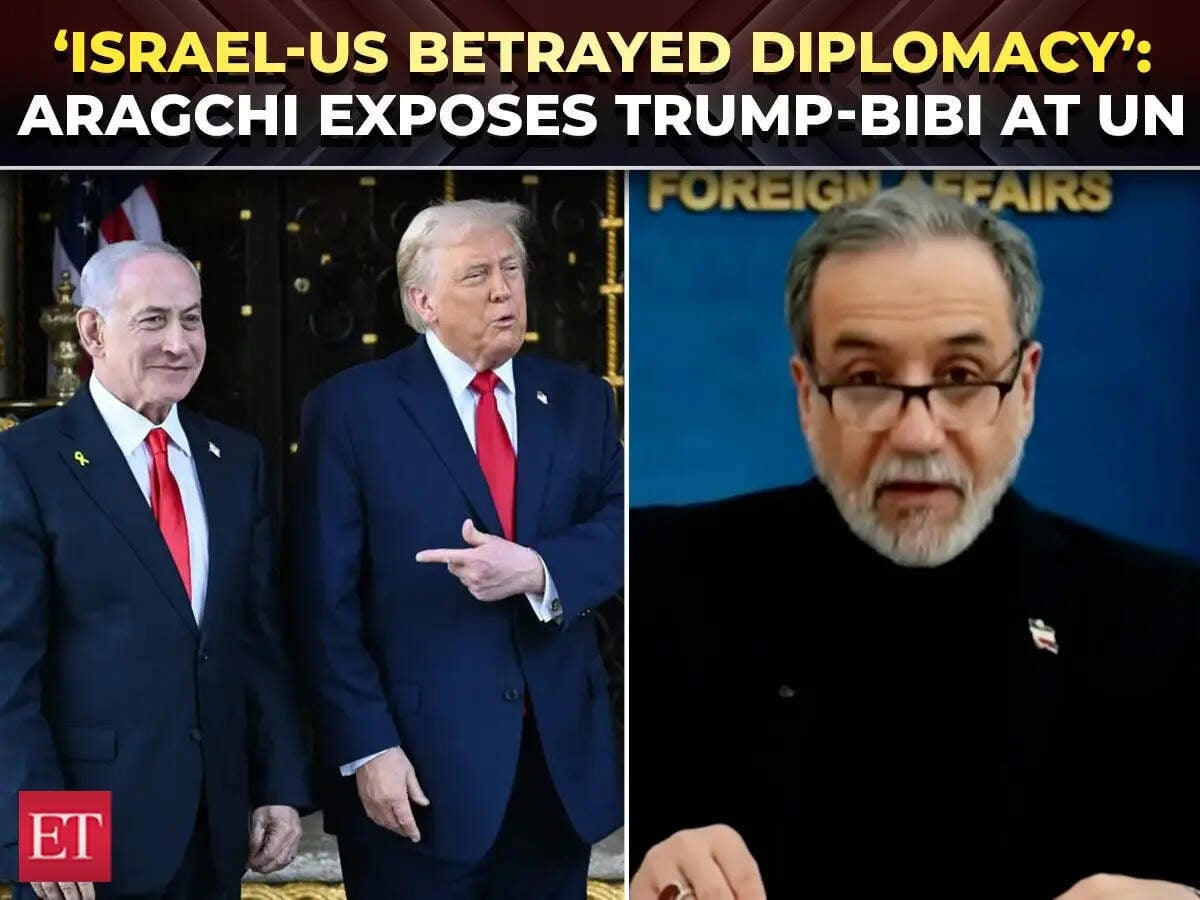
أراغچي: أوروبا لا يمكنها الادعاء بدعم القانون الدولي مع تأييد العدوان الأمريكي الإسرائيلي
 دبلوماسية
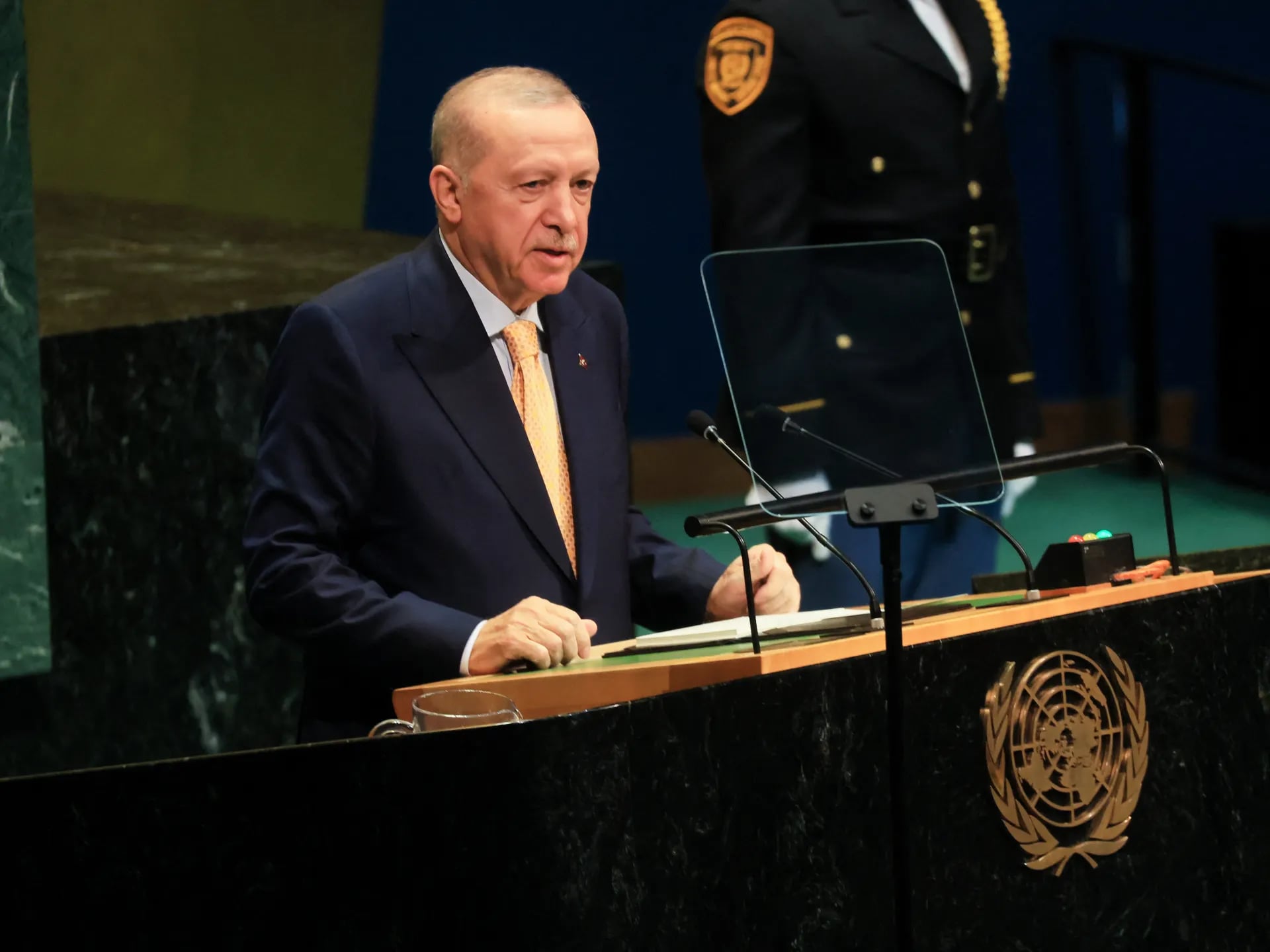
أردوغان يندد بـ'العقلية الإبادية' الإسرائيلية في خطابه بالأمم المتحدة
 فلسطين