

Qatar's Economy in Peril

Qatar's economy is facing significant challenges due to the ongoing Iran-Qatar conflict, which has severely disrupted the country's oil and gas exports. According to recent data, Qatar's GDP growth rate has slowed down to 2.6% in 2023, compared to 3.2% in the previous year. The inflation rate has also increased to 3.5%, up from 2.8% in 2022, mainly due to higher food and transportation costs. Furthermore, Qatar's trade balance has deteriorated, with a deficit of $1.3 billion in the first quarter of 2023, compared to a surplus of $2.1 billion in the same period last year. The country's credit rating has also been downgraded by Moody's from Aa3 to A1, citing the increased risk of a fiscal crisis. The conflict has had a ripple effect on the global economy, with oil prices increasing by 15% since the start of the conflict, and the International Monetary Fund (IMF) warning of a potential global economic slowdown. In comparison, the UAE's economy has also been affected, with a decline in visitor numbers and hydrocarbon revenues, while Saudi Arabia's economy has been more resilient, with a GDP growth rate of 3.5% in 2023. Looking ahead, it is essential for Qatar to diversify its economy and reduce its dependence on oil and gas exports to mitigate the impact of the conflict. The government has announced plans to invest $10 billion in non-oil sectors, including tourism, manufacturing, and logistics, which is expected to create over 10,000 new jobs and increase GDP by 2% by 2025. However, the success of these plans depends on the ability of the government to implement them effectively and attract foreign investment. In conclusion, the Iran-Qatar conflict has significant implications for Qatar's economic future, and it is crucial for the government to take proactive measures to mitigate the impact of the conflict and ensure the long-term sustainability of the economy.
النسخة العربية
اقتصاد قطر في خطر
تعتبر экономية قطر في خطر كبير بسبب النزاع المستمر بين إيران وقطر، الذي أثر بشكل كبير على صادرات النفط والغاز في البلاد. وفقًا للبيانات الحديثة، انخفض معدل نمو الناتج المحلي الإجمالي في قطر إلى 2.6% في عام 2023، مقارنة بـ 3.2% في العام السابق. كما ارتفعت معدلات التضخم إلى 3.5%، من 2.8% في عام 2022، بسبب زيادة أسعار المواد الغذائية والنقل. علاوة على ذلك، تدهورت ميزان التجارة في قطر، مع عجز قدره 1.3 مليار دولار في الربع الأول من عام 2023، مقارنة bằng فائض قدره 2.1 مليار دولار في نفس الفترة من العام السابق. كما خفضت وكالة موديز تصنيف رأس المال في قطر من Aa3 إلى A1، مشيرة إلى زيادة خطر الأزمة المالية. وقد أثر النزاع على الاقتصاد العالمي، مع زيادة أسعار النفط بنسبة 15% منذ بداية النزاع، و cảnh báo صندوق النقد الدولي من احتمال حدوث تباطؤ اقتصادي عالمي. في المقارنة، تأثرت экономية الإمارات العربية المتحدة أيضًا، بانخفاض في عدد الزوار وإيرادات الهيدروكربون، في حين كانت экономية المملكة العربية السعودية أكثر مقاومة، مع معدل نمو الناتج المحلي الإجمالي بنسبة 3.5% في عام 2023. في النهاية، من الضروري لقطر تنويع اقتصاده وتقليل الاعتماد على صادرات النفط والغاز لتخفيف تأثير النزاع. وقد أعلنت الحكومة عن خطط لاستثمار 10 مليارات دولار في قطاعات غير نفطية، بما في ذلك السياحة والتصنيع واللوجستيات، والتي من المتوقع أن تخلق أكثر من 10,000 وظيفة جديدة وزيادة الناتج المحلي الإجمالي بنسبة 2% بحلول عام 2025. ومع ذلك، يعتمد نجاح هذه الخطط على قدرة الحكومة على تنفيذها بشكل فعال وجذب الاستثمار الأجنبي.
Source tweet
Qatar's economy in peril! 🚨🇶🇦 GDP growth rate slows down to 2.6% in 2023, a 19% decline from last year #QatarEconomy
More Stories
 Diplomacy
Qatar's UN Partnership Emphasizes Multilateral Solutions: Sheikha Alya
 Gulf
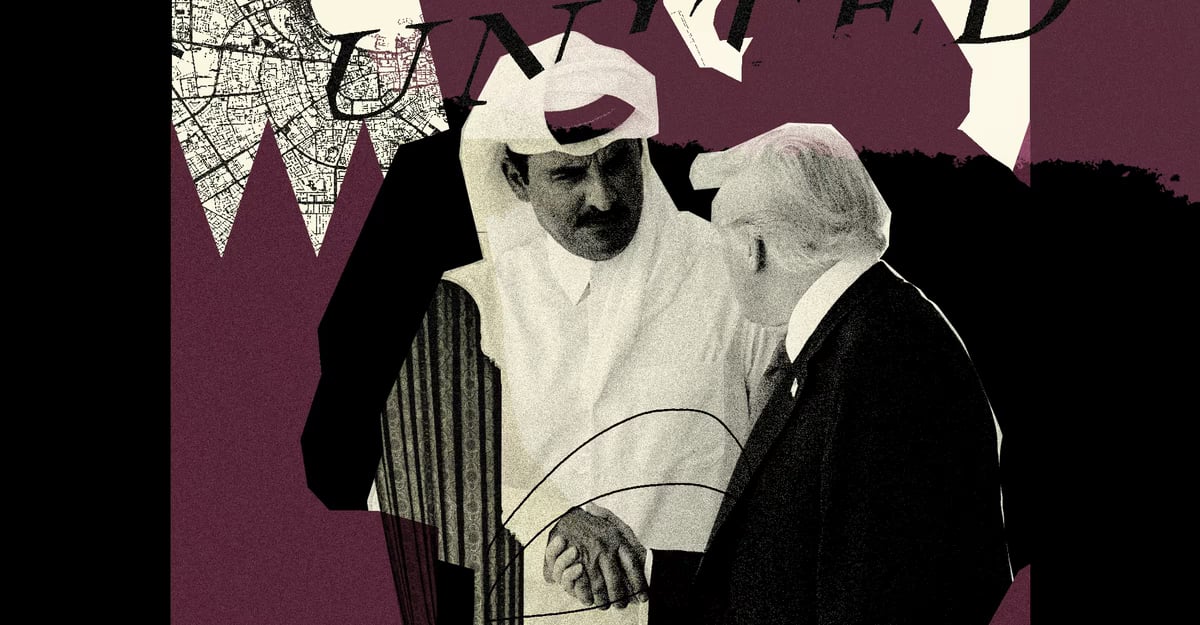
GulfQatar Gifted Trump Airplane; His Policies Later Harmed Qatar's Economy
 Diplomacy
Qatar's Minister Presents Disability Rights Reforms to UN Committee
 Diplomacy
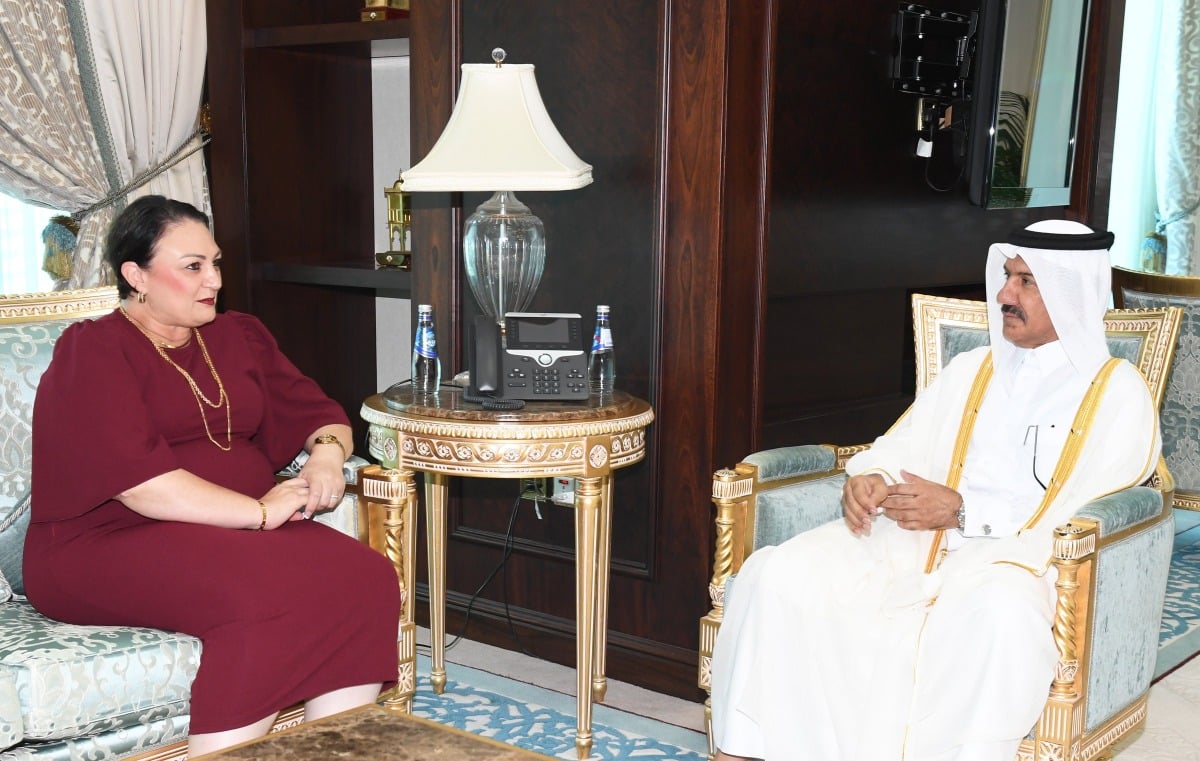
Qatar's Foreign Ministry Receives Malta Ambassador's Credentials
 Gulf
Gulf